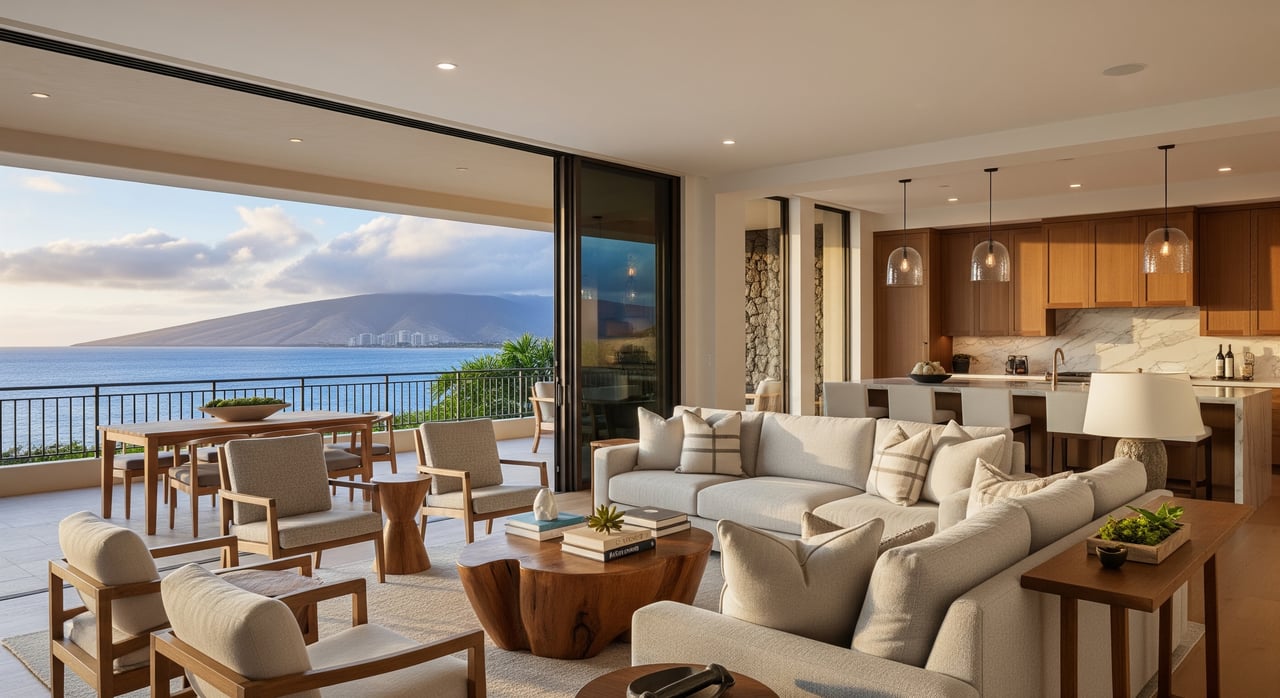
Picture your first morning at Honua Kai. Warm light lifts over the West Maui Mountains, the ocean is calm, and a quiet path along Kāʻanapali Beach invites a barefoot walk before the day begins. If you are exploring ownership here, you probably want more than pretty photos. You want to know how life actually feels on property, how seasons change the rhythm, and what the ownership details mean for your daily routine. This guide gives you a clear, practical look at day-to-day living at Honua Kai in 96761, so you can decide if it fits your lifestyle and goals. Let’s dive in.
Where Honua Kai fits your Maui life
Honua Kai sits directly on the leeward shoreline of Kāʻanapali Beach in West Maui’s resort corridor. You are close to long stretches of public sandy beach, with easy access to the ocean for morning swims or an afternoon snorkel. Most errands are quick. You can reach shopping and dining in the Kāʻanapali corridor, including Whalers Village, in a short drive.
Lahaina town is to the south along Honoapiʻilani Highway, the main road you will use for most local trips. The drive from Kahului Airport typically takes 40 to 60 minutes, depending on traffic. The area is resort oriented, so many neighbors you see are short-term guests or part-time owners rather than full-time residents.
A day in the life at Honua Kai
Morning routines
Your day often starts on the beach path with coffee in hand. Calm pockets along Kāʻanapali make early swims and snorkeling a regular treat. If your unit also operates as a vacation rental, mid-mornings can include quick coordination with the front desk or your property manager, especially on guest arrival or departure days.
Afternoons by pool and shore
By midday, pools and water features get livelier. Families gather, loungers fill in, and the resort atmosphere turns up a notch. If you prefer quieter time, schedule ocean swims or fitness sessions earlier or later in the day. Off-property afternoons may include golf, a drive to nearby shopping, or a scenic break up the coast.
Evenings and nearby conveniences
Sunset often means dining on-site or trying a nearby restaurant in the Kāʻanapali corridor. In winter, you may spot spouts offshore during dinner. Seasonal events, live music, and resort programming rotate, so your evenings can be as relaxed or social as you want.
On-site amenities that shape your day
Pools and water features
Multiple pools and family-friendly water features anchor the daily rhythm. Expect the most activity midday and during peak travel periods. Towel service, attendants, and posted pool hours keep the scene organized, which helps if you plan around quieter windows.
Beach access and ocean time
Direct beach access is a defining part of life here. Swimming, sunbathing, and snorkeling are steps away, though conditions vary with wind and season. Some days are glassy and calm, others are breezy with more chop, so it pays to read the water before heading out.
Fitness, spa, and classes
A fitness center and spa services help you keep wellness in the routine. Seasonal programming may include classes and cultural activities. If you like structure, check the weekly board for times. If you prefer self-directed workouts, early mornings are usually the calmest.
Dining and convenience services
On-site or adjacent dining and a market reduce errands, especially during short stays. A concierge or guest services desk can help with activity bookings, car services, or dinner reservations, which is helpful when you are hosting guests or keeping a tight schedule.
Housekeeping and turnover
If you rent your unit, professional housekeeping and linen services are commonly used. Even if you do not rent, you can usually arrange cleanings to simplify arrivals and departures. This takes the edge off the logistics and keeps your focus on the ocean.
Security, parking, and access
You will interact with front-desk staff and on-site security in normal ways, from arrival to parking to amenity access. During busy periods, plan a few extra minutes for parking and elevators. Clear procedures help keep things running smoothly when the resort is full.
Ownership logistics you feel daily
HOA rules and what to verify
Honua Kai condos are governed by association documents that set expectations for daily life. Items to confirm include owner-use windows, short-term rental eligibility, parking rules, and amenity access guidelines. If you plan to rent the unit, verify any owner-use blocks or blackout dates and how bookings are prioritized. For legal use and to protect long-term value, always confirm the current rules with the association and the county before you buy.
Recurring costs
- HOA dues typically cover common-area operations like grounds, pools and spas, staffed services, insurance for common elements, and reserves. Resort complexes tend to have higher dues than non-resort buildings because of amenities and staffing. Request the latest budget and audited financials to understand the line items.
- If you operate a short-term rental, Hawaii applies the Hawaii Transient Accommodations Tax and the State General Excise Tax on rental income. Owners and managers must register and collect or remit as required. Review the State’s guidance on the Hawaii Transient Accommodations Tax and General Excise Tax to understand rates and registration.
- Interior insurance and liability are your responsibility. Ask for details of the association’s master policy and coordinate your HO-6 coverage with your lender. For coastal properties, premiums may differ from inland condos. Also ask about any recent or proposed special assessments.
Renting your condo: what to know
Professional management is common. On-site or third-party managers can handle bookings, cleaning, and guest services, which reduces your day-to-day workload. Rental performance varies with unit size, view, season, and fees. Request 2 to 3 years of occupancy, average daily rate, and net revenue for the unit or close comparables. Most importantly, ensure your unit is eligible for short-term rental and complies with evolving county rules by reviewing the latest guidance from the Maui County Planning Department.
Financing considerations
Some lenders treat resort condos differently than primary residences. If you plan on a mortgage, start early with a lender experienced in Hawaii resort financing. Requirements around insurance, reserves, and rental policy documentation can impact your timeline and closing process.
Seasons that change the feel
Visitor seasons and crowding
Daily life shifts with the visitor calendar. Winter and summer are the peak months, which means more activity at pools and on the beach, busier restaurants, and more traffic on Route 30. Spring, early summer, and fall are usually quieter. If you want solitude, plan ocean time early in the morning or target shoulder seasons for your personal stays.
Whale season magic
From December through early April, humpback whales migrate to Hawaiian waters. This adds a special energy to winter days, from spouts on the horizon to tail slaps you can often see from shore. For background on timing and behavior, review NOAA’s summary of humpback whales in Hawaii.
Wind, rain, and hurricanes
Trade winds bring refreshing breezes, especially in the afternoons. Kāʻanapali is relatively dry compared with windward parts of Maui, but winter showers are common. Hurricane season runs from June through November, with a low but real chance of tropical storm impacts. Know your building’s preparedness plan and keep a simple personal checklist for stays during that window.
Maintenance windows and amenity closures
Resorts schedule maintenance projects during off-peak months. Pool resurfacing or building work can limit access for short periods. Ask the HOA or management for the current maintenance calendar before you book owner stays, so your visit aligns with full amenity access.
Wildfire and recovery context
The August 2023 Lahaina wildfires severely damaged downtown Lahaina and affected the broader West Maui community. The Kāʻanapali area, where Honua Kai sits, was not the primary burn zone. Recovery has brought changes in visitor patterns and a heightened focus on emergency planning. If you are buying, ask for any updates to safety procedures or local regulations that affect operations.
Coastal and flood risk awareness
Sea-level rise, coastal erosion, and flood designations can influence insurance and long-term planning. Review FEMA data for your specific unit and building through the FEMA Flood Map Service Center and ask about any prior flood events or mitigation steps. Understanding the risk profile helps you choose the right coverage and budget for the long term.
Practical buyer checklist
Before you write an offer, request documents and answers that reveal how ownership will feel day to day.
Documents to request
- Current HOA budget, most recent audited financials, and the reserve study.
- Current monthly dues for the unit and any approved or proposed special assessments.
- Condominium declarations, bylaws, house rules, and amendments that affect owner use, rentals, or parking.
- Owner-use policy and rental program rules, including minimum or maximum stay, booking priority, and any on-site program requirements.
- Rental performance for the specific unit or close comps, including occupancy, ADR, seasonal patterns, and gross to net reports for the past 2 to 3 years.
- Master insurance policy summary and any recent claims or issues.
- Records of recent capital projects, deferred maintenance, and any planned renovations or closures.
- Any pending litigation or code violations.
- FEMA flood zone information, elevation details, and any past flood or storm damage history.
- Short-term rental compliance documentation, including Maui County permit status and State of Hawaii TAT and GET registration numbers. For county rules, start with the Maui County Planning Department. For state tax requirements, review TAT and GET guidance.
Operational questions to ask
- What services are included in dues and what is billed to the owner, such as utilities, internet, towel service, or beach gear?
- How is parking allocated for owners and guests, and are there limits or fees during peak periods?
- How are arrivals and departures managed when occupancy is high, and how do owners access the unit during those windows?
- What are posted hours for pools, fitness, and spa, and are there owner-only windows or events?
- How fast does maintenance respond to in-unit requests and what is the scope of work covered?
Lifestyle questions to ask
- During your typical stay, how crowded are the pools and beach in peak months compared with shoulder season?
- What are common noise sources at different times of day, such as events, housekeeping, or deliveries?
- If the unit participates in a rental program, how easy is it to reserve personal stays during holidays or school breaks?
- Where do owners typically shop for groceries and essentials, and how long do those errands take with seasonal traffic?
- Have there been any recent rule changes or assessments that affected daily life or budgets?
Is Honua Kai a fit for your rhythm?
Day-to-day ownership at Honua Kai blends a classic Maui beach routine with the convenience and structure of a full-service resort. You will feel the seasonal shifts, the friendly pulse of visitors, and the ease of on-site services that streamline arrivals, departures, and downtime. If you value direct beach access, lively amenities when you want them, and a clear framework for rental operations, this community can be a strong match. The key is verifying the details that matter to your lifestyle.
If you want a tailored walkthrough of Honua Kai ownership, including documents to request, rental and tax considerations, and how different stacks live day to day, connect with Dee Garnes for a private consultation.
FAQs
What does a typical airport-to-resort day look like at Honua Kai?
- Expect a 40 to 60 minute drive from Kahului Airport to Kāʻanapali, then standard resort arrival and parking procedures with front-desk support.
Are short-term rentals allowed for Honua Kai condos in 96761?
- Many units function as vacation rentals, but eligibility depends on association rules and county regulations, so confirm details with the Maui County Planning Department and the HOA before you buy.
How busy are Honua Kai pools and the beach during peak season?
- Winter and summer are typically busier with more activity and longer waits, while spring and fall shoulder seasons tend to be quieter on property.
What taxes apply if I rent my Honua Kai condo short term?
- Hawaii applies the Hawaii Transient Accommodations Tax and the General Excise Tax on rental income, and you must register and remit as required by the State.
When is whale season on West Maui and can I see whales from shore?
- Humpback whales are typically in Hawaiian waters from December through early April, and shore-side viewing is common in winter months.
How do I check flood risk for a Honua Kai unit?
- Review the property’s designation on the FEMA Flood Map Service Center, and ask for any flood history and insurance details from the association.