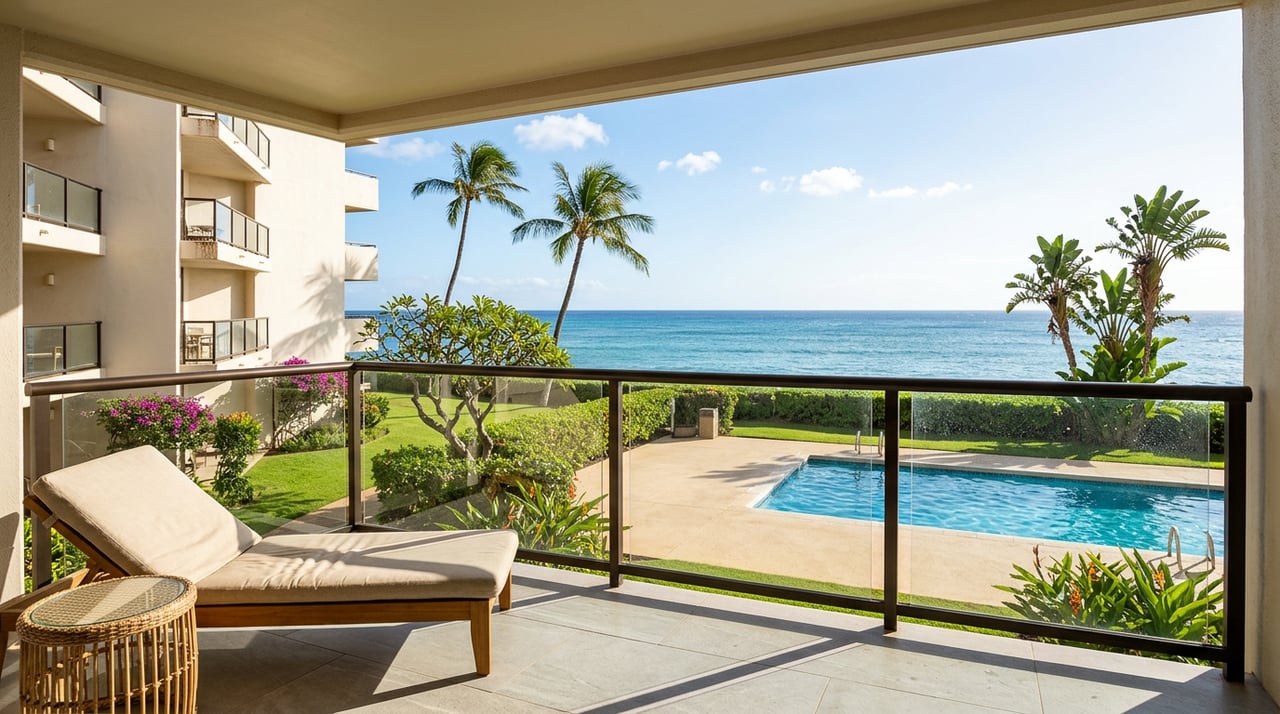
Trying to choose your West Maui condo base can feel like three great options staring back at you. Napili, Kahana, and Honokōwai each offer a different shoreline vibe, price profile, and set of ownership rules. You want the right mix of beach access, rental flexibility, and cost clarity before you commit. This guide gives you a clean, side‑by‑side view so you can move forward with confidence. Let’s dive in.
How these areas differ
- Napili: Classic crescent beach, calm water for swimming and snorkeling, and a quieter, low‑rise feel. You come here for the bay, reef, and relaxed pace documented by local beach guides.
- Kahana: Compact shoreline with mid‑rise and low‑rise condos, a concentration of hotel‑zoned or legacy vacation‑rental buildings, and easy access to daily needs.
- Honokōwai: A stretch of older, often value‑oriented oceanfront and apartment‑zoned communities with parks and shops within walking distance from many complexes.
Getting oriented
All three pockets sit along Honoapiʻilani Highway on West Maui, between Kapalua and Kā‘anapali. Expect a 35 to 50 minute drive from Kahului Airport, depending on traffic, when planning arrivals and departures per local travel guidance.
Napili: beach‑first, quieter
On‑the‑ground feel
Napili centers on a shallow, crescent sand bay known for clear, swimmable water and in‑bay snorkeling over reef near the point. Afternoons in summer are often calm, and the area reads more low‑rise and village‑scale than the larger resort strip to the south.
Condo styles and amenities
Expect boutique oceanfront resorts and low‑rise condo communities, with townhouse options across the highway. Typical amenities include pools, BBQs, lanais, and, at some hotel‑zoned properties, front desks and on‑site dining. For reference, Napili Shores illustrates the service‑oriented, oceanfront resort model in this pocket.
Price patterns to expect
Recent Napili activity commonly shows studios and smaller 1BRs from the mid‑$500k range to around the $900k level at oceanfront hotel properties. Larger units and 2BR townhomes often land in the $700k to $1.5M range depending on proximity to the water and remodel level.
Best fit
- You want a smaller‑scale resort feel and a classic West Maui beach at your doorstep.
- You value proximity to Kapalua’s golf and dining while keeping a quieter home base.
Watch‑outs
- Oceanfront units command a premium and parking can be tight right on the beach.
- Review HOA reserves and master insurance status as part of standard diligence.
Kahana: mixed‑use and value
On‑the‑ground feel
Immediately south of Napili, Kahana offers a compact oceanfront block with many hotel‑zoned or legacy vacation‑rental buildings. Daily errands are convenient thanks to the Kahana Gateway shopping node outlined in local guides.
Condo formats and amenities
Expect a range of mid‑rise and low‑rise buildings, many built between the 1970s and 1990s, with oceanfront pools, BBQs, lanais, and, at some properties, a front desk or on‑site rental management. Beach access varies by complex along this mixed shoreline.
Price patterns to expect
Kahana often prices below adjacent Kapalua and Kā‘anapali corridors. Studios and 1BRs commonly range from the high‑$400k band into the mid‑$700k range depending on view, building, and condition. Oceanfront 2BR units in hotel‑zoned resorts can trade higher.
Best fit
- You want relative value near the ocean and walkable access to shops and dining.
- You are comparing hotel‑zoned rental options with more traditional neighborhood condos.
Watch‑outs
- Some buildings are older. Ask about plumbing, elevator, or facade projects and reserves.
- Apartment‑zoned complexes may face evolving county policy on transient rentals. Verify status.
Honokōwai: value and walkability
On‑the‑ground feel
Honokōwai stretches north of Kā‘anapali with small oceanfront clusters and apartment‑zoned complexes that tend to skew older and more value‑oriented. Honokōwai Beach Park and nearby eateries make this zone convenient for everyday needs.
Condo formats and amenities
Buildings are typically modest low‑rises with ocean views from select floors, shared pools, BBQs, and limited on‑site services. A handful of boutique beachfront properties sit near park access points.
Price patterns to expect
Recent activity often shows 1BR units in the mid‑$500k to $800k band for remodeled homes near the water, with 2BR and oceanfront corner units moving higher.
Best fit
- You want an ocean‑adjacent base with walkable conveniences at a more accessible entry price.
- You are open to older buildings and a simpler amenity set.
Watch‑outs
- Confirm any legacy vacation‑rental status at the unit and association level.
- Review HOA budgets, reserves, and planned assessments closely.
Rental rules and zoning basics
Short‑term rental rules are not one‑size‑fits‑all. Hotel‑zoned properties generally offer the most stable transient rental path, while apartment‑zoned complexes may depend on legacy approvals or county lists. Policy is dynamic, so verify unit‑level legality, HOA restrictions, and any exposure to active proposals before you write an offer. Use Maui County’s Short‑Term Rentals portal to review application paths and public lists.
Costs, HOA fees, and insurance
What monthly dues cover
Most West Maui condo dues bundle items like water, trash, cable or internet line items, landscaping, pool care, and master insurance. Hotel‑zoned or front‑desk properties often carry higher dues to fund on‑site services. As part of diligence, request the HOA budget, reserve study, insurance declarations, and minutes about any special assessments.
Insurance in today’s market
Post‑2023 wildfires, Hawaii has focused on stabilizing condo building insurance. High deductibles and excess market coverage are common discussion points. Ask for the master policy, per‑unit deductibles, and recent renewal terms, because lenders may condition financing on coverage quality. Hawaii’s 2024 legislative work on association insurance provides context for these reviews via HB2686.
Taxes for rental operators
If you plan to rent nightly or monthly under 180 days, model the full tax stack. Hawaii’s state Transient Accommodations Tax, General Excise Tax, and Maui’s county TAT apply, and the state added a 0.75% “Green Fee” to the TAT effective January 1, 2026 as reported here. Confirm current rates and register for GET/TAT accounts through the Hawaii Department of Taxation’s rental resource hub at tax.hawaii.gov.
Coastal realities to evaluate
West Maui shorelines experience seasonal wave run‑up and chronic erosion in places. For oceanfront or low‑elevation units, review flood and tsunami maps and monitor shoreline conditions with the PacIOOS West Maui run‑up forecast. Ask your agent to pull county zoning and flood confirmations for the parcel as part of offer prep.
A simple showing plan
- Start with an oceanfront sample to feel the shoreline. In Napili, tour a unit at Napili Shores to understand the hotel‑zoned, front‑desk resort model.
- Compare with a Kahana mid‑rise 1BR to test value, views, and service levels.
- Add a Honokōwai boutique oceanfront or near‑park unit to feel walkability and price trade‑offs.
- If you need space or long‑term rental flexibility, include a Napili townhouse stop across the highway.
Buyer checklist for Napili/Kahana/Honokōwai
- Zoning and STR status. Confirm hotel vs. apartment zoning, whether the complex appears on county TVR lists, and any HOA rental rules. Start at the county’s Short‑Term Rentals portal.
- HOA documents. Request the current budget, reserve study, insurance declarations page, CC&R rental provisions, and minutes on upcoming projects.
- Master policy details. Ask about windstorm, wildfire, and flood coverage plus per‑unit deductibles. Legislative context helps when discussing coverage structure see HB2686.
- Financing acceptance. Check whether lenders and secondary buyers will approve the building. Hawaii’s broader financing focus on reserves and insurance is relevant see SB1044.
- STR tax setup. Verify GET/TAT registration and update pro formas for the 2026 TAT change and Maui’s county TAT. Start with tax guidance for rentals.
- Coastal hazards. Review county flood zones and use PacIOOS run‑up forecasts for shoreline behavior near your complex.
- Unit systems and parking. Confirm A/C, laundry, appliance age, and parking assignments, especially in older buildings.
Work with a local guide
If you are weighing Napili’s beach charm against Kahana’s value and Honokōwai’s walkability, a few focused showings and clear due diligence will bring your best option into view. For a concierge process, local insight, and careful management of zoning, insurance, and HOA details, schedule a private consultation with Dee Garnes.
FAQs
What is the main difference between Napili, Kahana, and Honokōwai for condo buyers?
- Napili offers a classic crescent beach and quieter low‑rise resorts, Kahana blends hotel‑zoned and neighborhood condos near shops, and Honokōwai delivers older, value‑oriented oceanfront with walkable amenities.
How long is the drive from Kahului Airport to West Maui condos?
- Plan 35 to 50 minutes from OGG to West Maui, depending on traffic, and build buffer time into arrivals and departures.
How do Maui short‑term rental rules affect a West Maui condo purchase?
- Hotel‑zoned buildings usually have the most stable transient rental path; apartment‑zoned or legacy TVR properties need unit‑level verification using Maui County’s public STR resources and HOA documents.
Which HOA and insurance documents should I review before I offer on a condo?
- Request the budget, reserve study, insurance declarations page, recent renewal terms, and any special assessment minutes, plus CC&Rs governing rentals.
What taxes apply if I plan to operate a short‑term rental in 2026?
- Model Hawaii’s TAT with the 0.75% “Green Fee” effective Jan 1, 2026, Maui’s county TAT, and GET, and confirm current rates with the state before setting rates.
How should I assess coastal erosion or flood risk for an oceanfront condo?
- Review county flood and tsunami maps and use PacIOOS run‑up tools to understand wave action near the property, then incorporate findings into insurance and renovation plans.