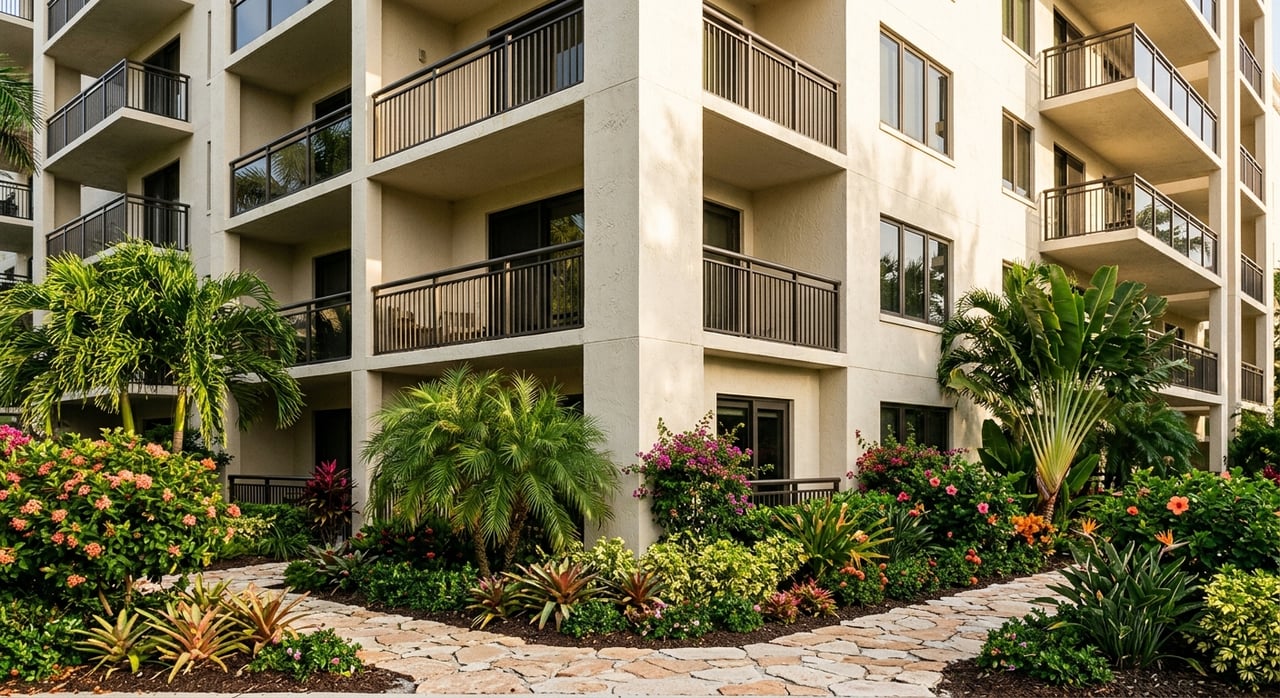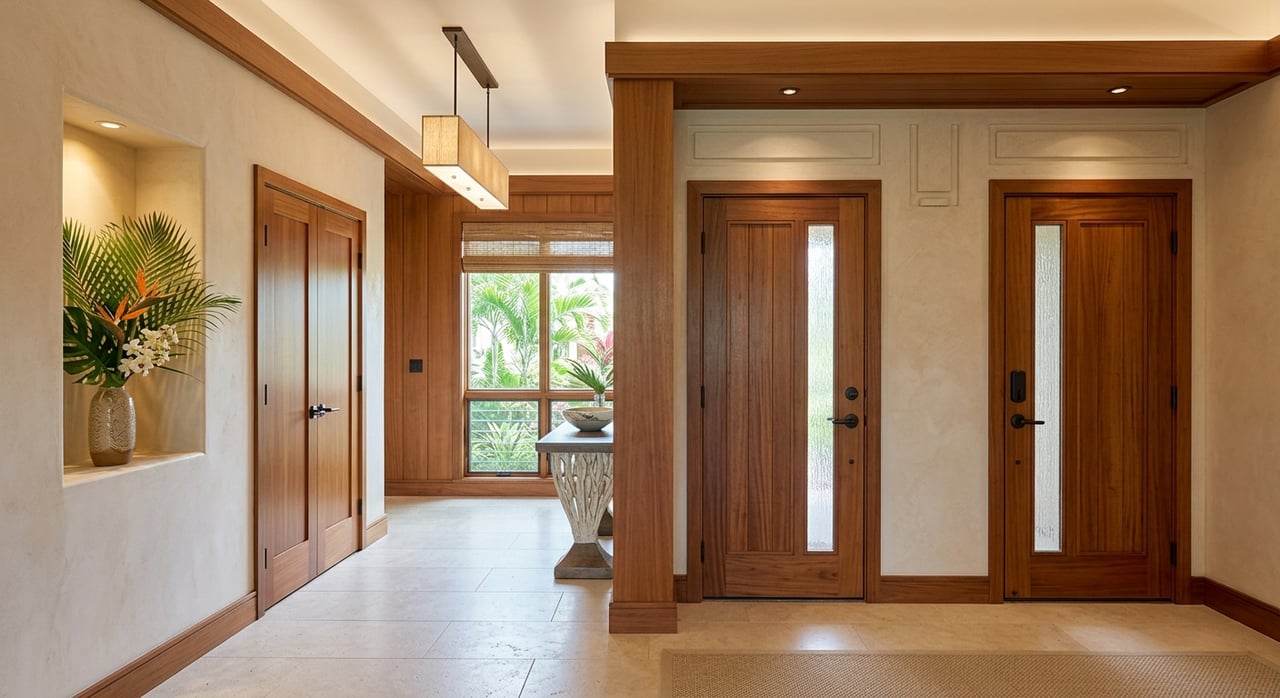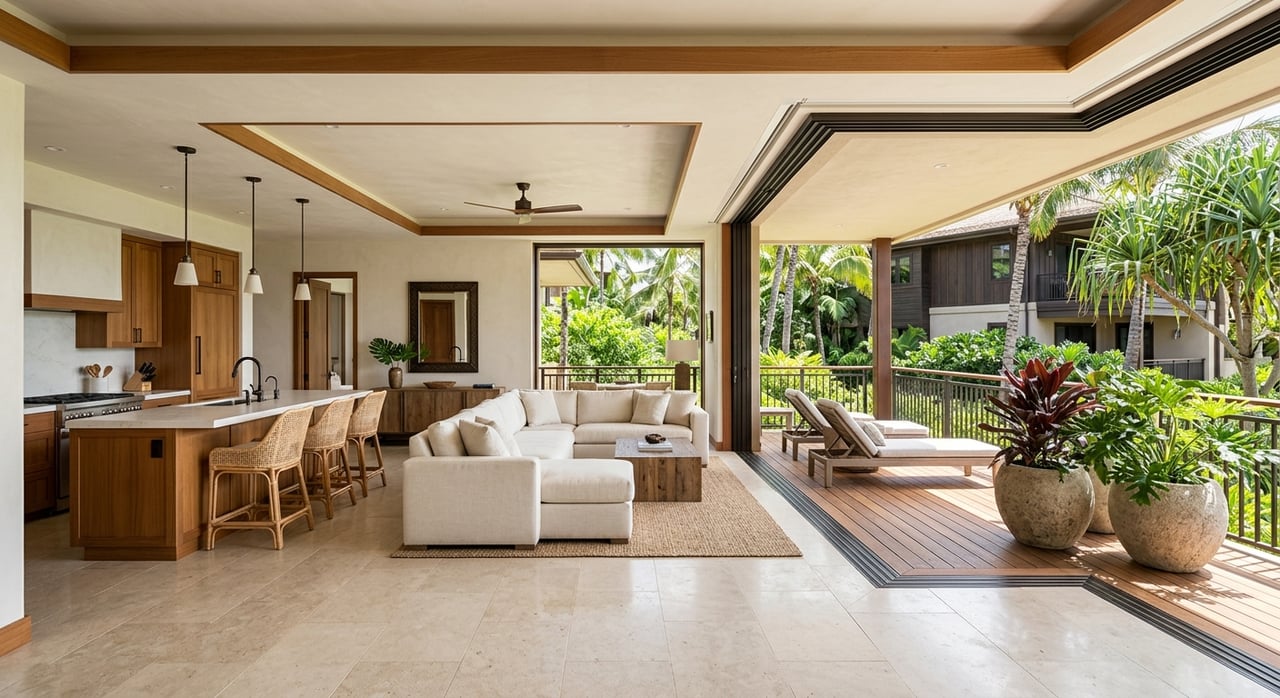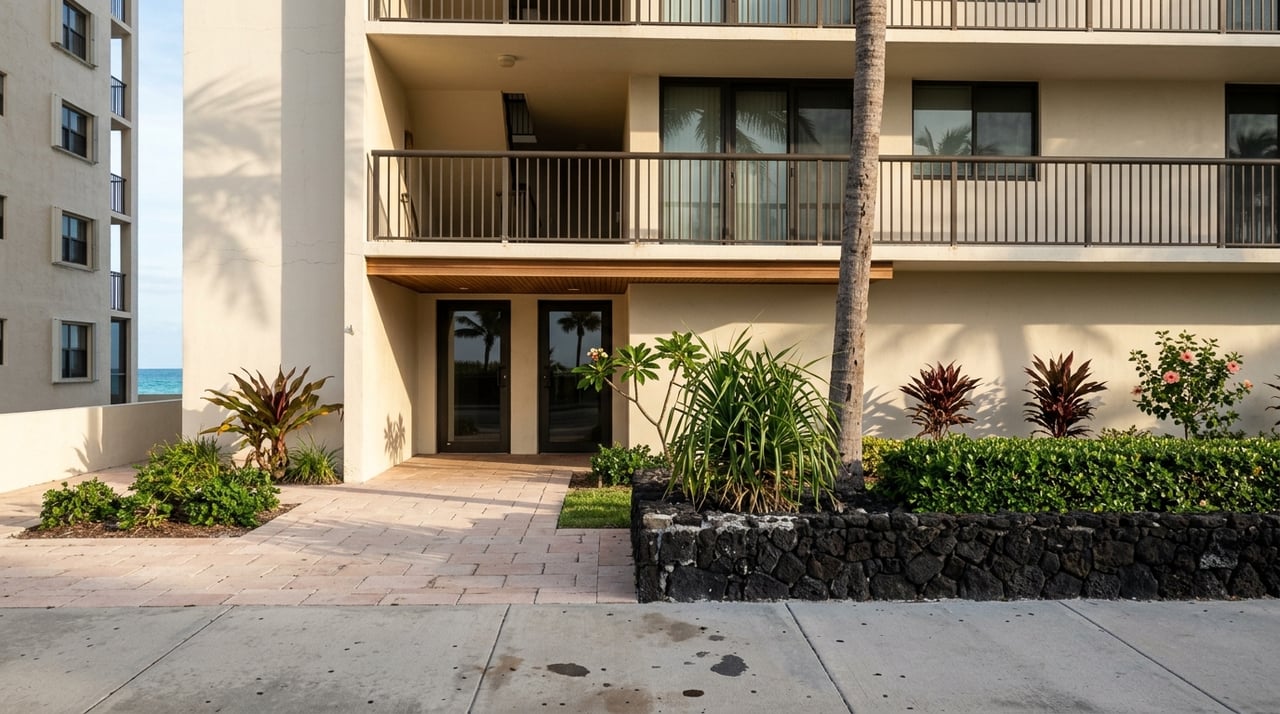
Thinking about a vacation condo in Kihei? You are not alone. South Maui’s beaches and sunny weather draw steady visitor demand, which is why many buyers consider a condo they can enjoy and also rent. The key is knowing how Maui’s rules, taxes, insurance, and operating costs affect your bottom line.
This guide walks you through the essentials: demand and seasonality, legal use and permitting, taxes, association insurance, natural hazards, property management, and a clear due diligence checklist. You will leave with a practical framework for smart buying in Kihei. Let’s dive in.
Why Kihei vacation condos work
Kihei sits in South Maui, close to Wailea resorts and some of the island’s most accessible beaches. Visitor demand is consistent, with winter and holiday peaks that boost nightly rates.
- In January 2026, Maui County’s vacation rentals ran about mid-50 percent occupancy with an average daily rate around $675. The Wailea/Kīhei subarea posted an ADR near $540 with occupancy in the high-50 percent range for that month, showing strong seasonal performance. You can use the monthly DBEDT/HTA reports to benchmark expected ADR and occupancy for your model. See the latest Wailea/Kīhei performance snapshot.
What this means for you: a Kihei condo can work as a lifestyle asset you enjoy several weeks a year, with rental income that offsets carrying costs. The specifics depend on your building’s rules, your pricing strategy, your manager, and how well you plan for taxes and insurance.
Know the rules before you buy
Legal use is the first gate. In Maui County, not every condo can be rented short term. Confirm zoning, permits, and association rules for the exact unit you are considering.
Zoning and STR legality
Maui County distinguishes between hotel-zoned properties, certain permitted transient vacation rentals, and other approval types. Before assuming a condo is rentable, verify how the building and unit are classified and whether they appear on the County’s lists. Start with the County’s overview and permit resources, including the current TVR/permit references.
Bill 9 and potential phase-outs
In 2025, Maui County considered “Bill 9,” a major zoning proposal to phase out transient vacation rentals in certain apartment districts on a schedule. The final form and timelines may change. You should confirm the current status and whether the unit you want is hotel-zoned, covered by a Conditional Permit, grandfathered, or potentially affected by any phase-out rules. Review the County’s Bill 9 overview, then verify details with Planning.
Building-level rental rules
Even if zoning allows short-term rentals, your association may set minimum stay lengths, parking and noise rules, or manager requirements. Read the CC&Rs, bylaws, and house rules closely. The State’s DCCA provides helpful guidance for condo owners and buyers on requesting and reviewing these documents. See the DCCA’s resources for condominium owners.
Taxes that shape your nightly price
Short-term rentals in Hawaii have two key taxes you must collect and remit. Build these into your nightly pricing and pro forma.
- Hawaii Transient Accommodations Tax (TAT) is 11.00 percent for gross rental proceeds received on or after January 1, 2026, following Act 96’s increase. Plan to itemize and remit. Review the Department of Taxation’s TAT change announcement.
- Hawaii General Excise Tax (GET) applies to gross receipts. Maui County adopted a 0.5 percent county surcharge effective January 1, 2024. Many operators show a visible pass-on rate of 4.712 percent on invoices. See the Department’s GET surcharge guidance.
Other small fees or levies can change, so check current rules before setting rates. Good practice is to display taxes clearly to guests and keep organized records for filings.
Insurance, AOAO responsibilities, and special assessments
Association insurance and your personal coverage work together. In Hawaii, associations have statutory duties, and owners have responsibilities inside the unit.
What the association insures
Most AOAOs carry master policies for common elements, commercial liability, directors and officers, and fidelity coverage. Exact coverage and deductibles vary. Learn what is and is not covered by reviewing the insurance declarations and asking questions. The DCCA explains typical association duties and documents in its condo owner resources.
Your policy and gaps to fill
Owners typically purchase an HO-6 policy for contents, interior improvements, loss assessment, and personal liability. If a lender requires flood insurance, obtain a quote early. Your policy should work alongside the master policy so you are not underinsured.
Deductibles and special assessments
Hawaii associations can levy special assessments to cover deductible shortfalls or uninsured losses. With changing insurance markets, some master policies carry large deductibles. Always review the budget, reserve plan, recent meeting minutes, and any assessment history to gauge risk. The DCCA guidance linked above outlines what to request.
State support for hurricane coverage
If private-market coverage becomes limited, the Hawaii Hurricane Relief Fund can offer excess hurricane coverage to qualifying condo associations. It is not a complete replacement for primary insurance, but it can help stabilize rebuild options. Learn more from the state’s HHRF program page.
Natural hazards and mapping checks
South Maui’s shoreline setting is a draw, but coastal and flood risks vary by building and elevation. Lenders, insurers, and your long-term plan will all care about this.
- Flood zones: Use FEMA’s Map Service Center to confirm the property’s official designation and understand how Risk Rating 2.0 affects premiums. See the FEMA Flood Map Service Center.
- Coastal run-up and erosion: Some West and South Maui properties face wave run-up and erosion risks over time. Explore local forecast and research tools, such as the PacIOOS shoreline pages, to understand hazard exposure and elevation. Start with PacIOOS’ West Maui run-up resources and consult local studies for South Maui.
- Market note: After major events, insurers may adjust pricing or renewals, which can influence association costs and assessment risk. The state’s HHRF information is a useful reference when reviewing master-policy stability.
What amenities and costs to expect
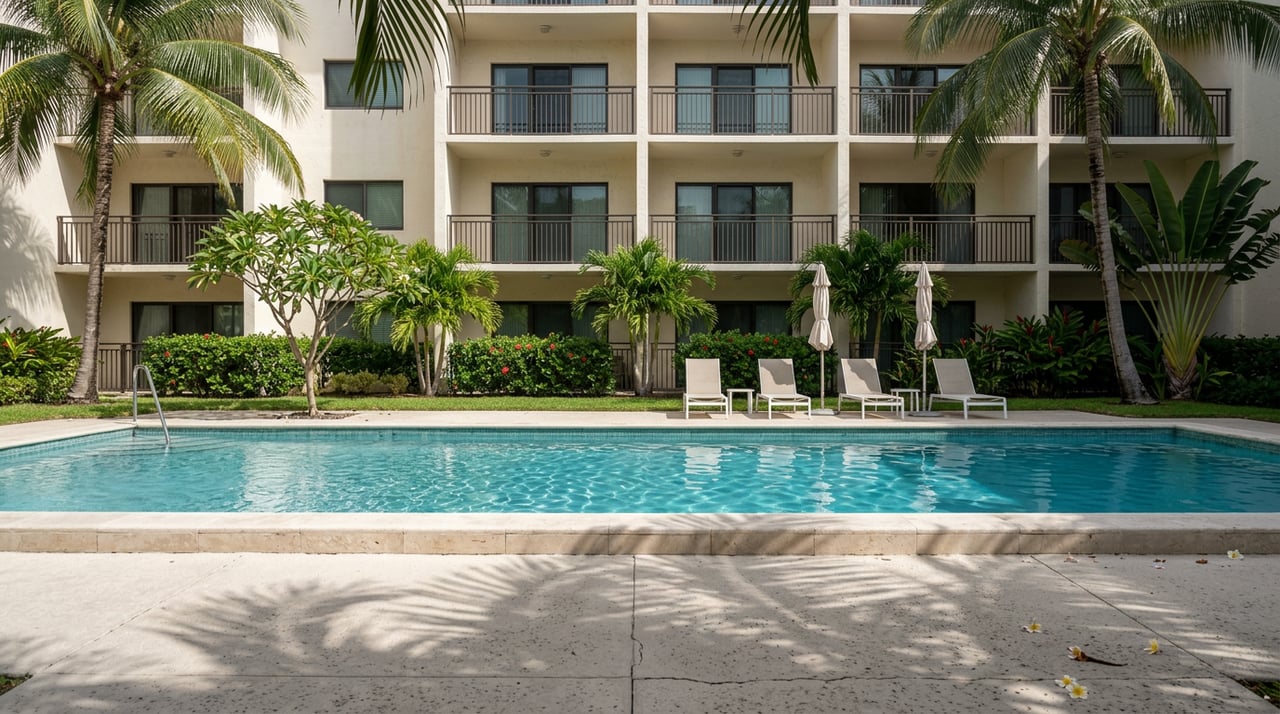
Kihei vacation condos often feature pools, BBQ areas, on-site laundry, and walkable beach access. Amenities vary widely by complex, which affects guest appeal and operating costs.
- Common amenities: pool and spa, BBQ/picnic areas, on-site or in-unit laundry, reserved or gated parking, elevator, on-site management, and proximity to beaches and dining. For broad market context, review Wailea/Kīhei averages in the HTA performance reports.
- HOA dues and reserves: Dues reflect insurance premiums, utilities, staffing, landscaping, pool maintenance, and reserve contributions. Request the budget, reserve study, insurance declarations, and minute notes on upcoming projects.
- Operating cost categories: HOA dues; master-policy insurance and possible assessments; property management fees; cleaning and laundry per turnover; utilities; maintenance and replacement reserves; TAT/GET and filing costs. Use conservative assumptions for vacancy and maintenance.
Property management: services and fees
If you want reliable guest service and optimized pricing, a professional manager can be worth the fee. Compare scopes in writing.
- Services to expect: dynamic pricing and listing optimization, 24/7 guest communication, cleaning and linen coordination, emergency response, damage handling, and tax support. Some managers offer full-service, others a hybrid.
- Typical fee ranges: many full-service short-term rental managers charge about 20 to 35 percent of gross revenue, with some markets quoting 15 to 40 percent. Lower-cost or a la carte options are available when owners handle select tasks. For context, see this overview of STR management fee ranges.
Remember, you should evaluate fees in the context of net revenue. A capable manager can increase occupancy and ADR while reducing issues, which can outweigh a lower fee with weaker performance.
Buyer due diligence checklist
Use this simple checklist to keep your process organized:
- Verify zoning and permits. Confirm if the unit is hotel-zoned or otherwise approved for transient use. Ask for written evidence and cross-check with Maui County Planning and the County’s published references. Start with the County’s TVR/permit resources and check whether any Bill 9 rules could affect the building using the County overview.
- Gather association documents. Request CC&Rs, bylaws, house rules, the current budget, reserve plan, last 12 months of minutes, master-policy declarations with limits and deductibles, and a record of assessments and planned projects. The DCCA’s condo resources outline what to review.
- Review insurance. Obtain the association’s Certificate of Insurance and ask about renewals or non-renewal notices. Get quotes for your HO-6 and, if applicable, flood insurance. Check the FEMA Map Service Center for flood zones and see the state’s HHRF information for context on hurricane coverage.
- Benchmark rental performance. Request historical income, occupancy, ADR, and channel mix. Compare to Wailea/Kīhei benchmarks using the HTA performance report.
- Confirm rental rules. Check minimum-stay requirements, guest conduct rules, local manager needs, and any limitations that affect financing or operations. The DCCA’s owner guidance is a good reference.
- Model taxes and costs. Include TAT at 11.00 percent and the GET plus Maui surcharge (often shown as 4.712 percent) in your pricing model, and itemize cleaning, utilities, dues, maintenance, and management fees. Reference the Hawaii Department of Taxation’s TAT change notice and GET surcharge guidance.
- Inspect for building-level risk. Ask about plumbing age, roof and cladding condition, fire safety systems, elevator maintenance, and any required or completed retrofits. These items influence insurance costs and assessment risk.
Putting it all together
A Kihei vacation condo can deliver both lifestyle and income if you pair the right building with sound planning. Focus first on legal use and association health, then pressure-test your pro forma with realistic ADR and occupancy benchmarks, current taxes, insurance, and management assumptions. With clear eyes on hazards and reserves, you can buy with confidence and enjoy your time on island.
If you would like a curated shortlist of Kihei and Wailea condo options that match your goals, along with introductions to local managers, tax pros, and insurance brokers, connect with Dee Garnes. You will get concierge-level guidance backed by deep Maui market knowledge.
FAQs
Is short-term renting allowed in Kihei condos right now?
- It depends on zoning, permits, and your association’s rules. Confirm hotel zoning or other approvals with Maui County resources and review building documents before you buy.
What taxes apply to Maui vacation rentals and how much?
- Short-term stays generally incur Hawaii’s TAT at 11.00 percent plus GET with Maui’s surcharge, often shown as 4.712 percent. You should register, collect, and remit these taxes.
How do HOA dues and reserves affect my returns?
- Dues cover insurance, utilities, staffing, and reserves for future projects. Large deductibles or capital work can drive special assessments, so review budgets, reserve plans, and minutes closely.
Do I need flood insurance for a Kihei condo near the beach?
- Lenders may require it based on FEMA flood maps and property-specific risk. Check the FEMA Map Service Center and obtain a quote early to understand costs.
How much do Maui short-term rental managers charge?
- Full-service fees commonly range about 20 to 35 percent of gross revenue, with some variation by scope and market. Compare written service menus and performance reporting, not just the percentage.