Are you buying at Kaanapali Alii mainly for your own Maui time, or do you want your residence working as a rental when you are away? That choice shapes almost every smart decision you make, from floor plan and view category to furnishing style, occupancy planning, and how you manage the calendar. If you are weighing personal enjoyment against rental use, this guide will help you think through the tradeoffs clearly. Let’s dive in.
Kaanapali Alii Works Differently
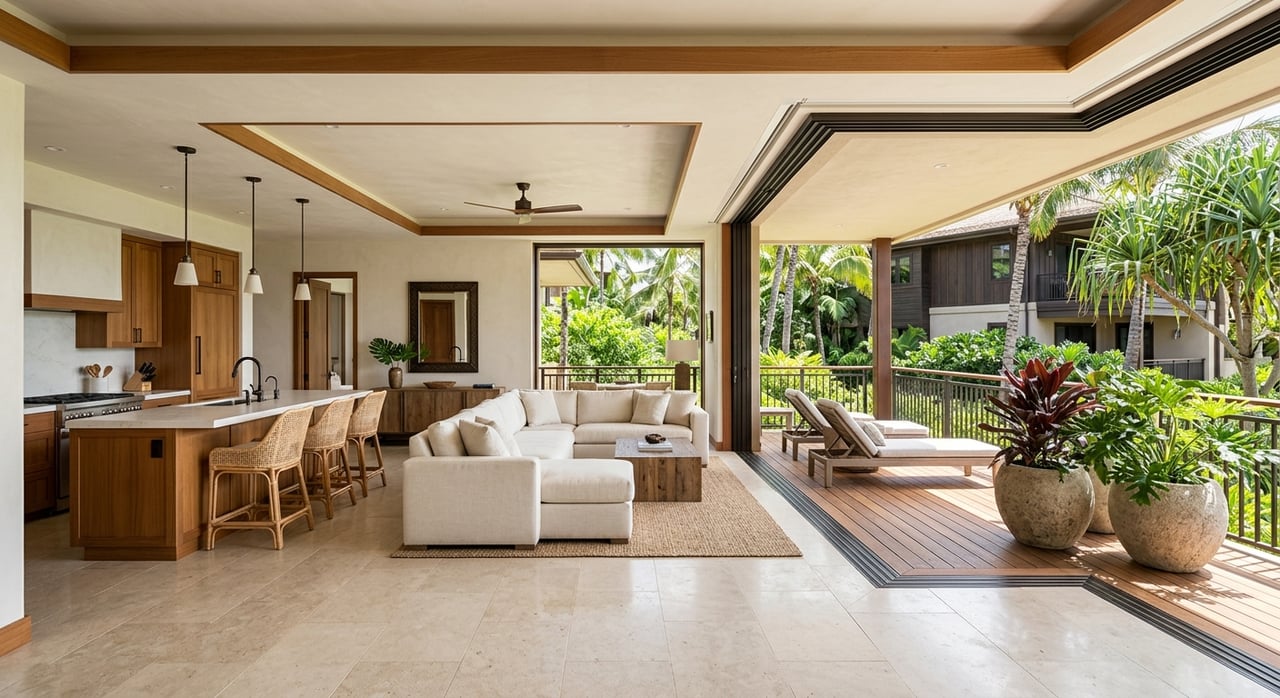
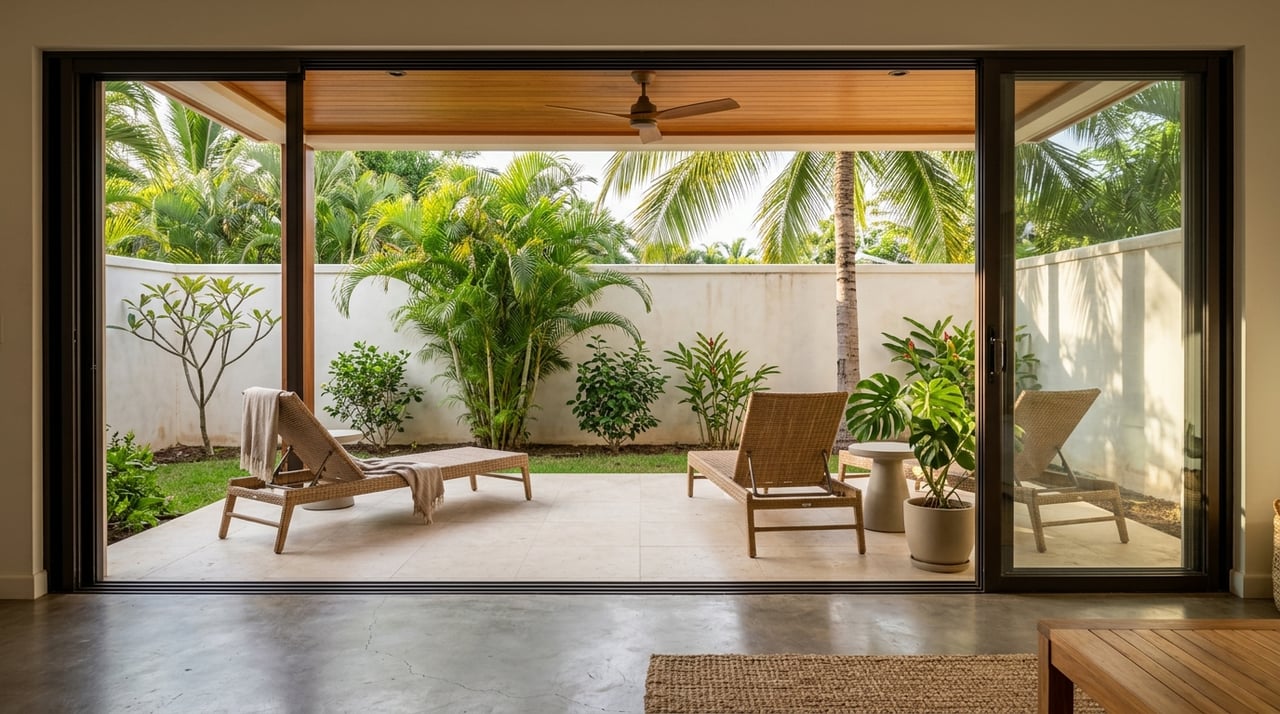
Kaanapali Alii is best understood as a managed resort condominium rather than a purely owner-occupied residential building. The property is set up with one-, two-, and three-bedroom private residences, open floor plans, private lanais, full kitchens, and spacious interiors that generally range from about 1,500 to 1,900 square feet.
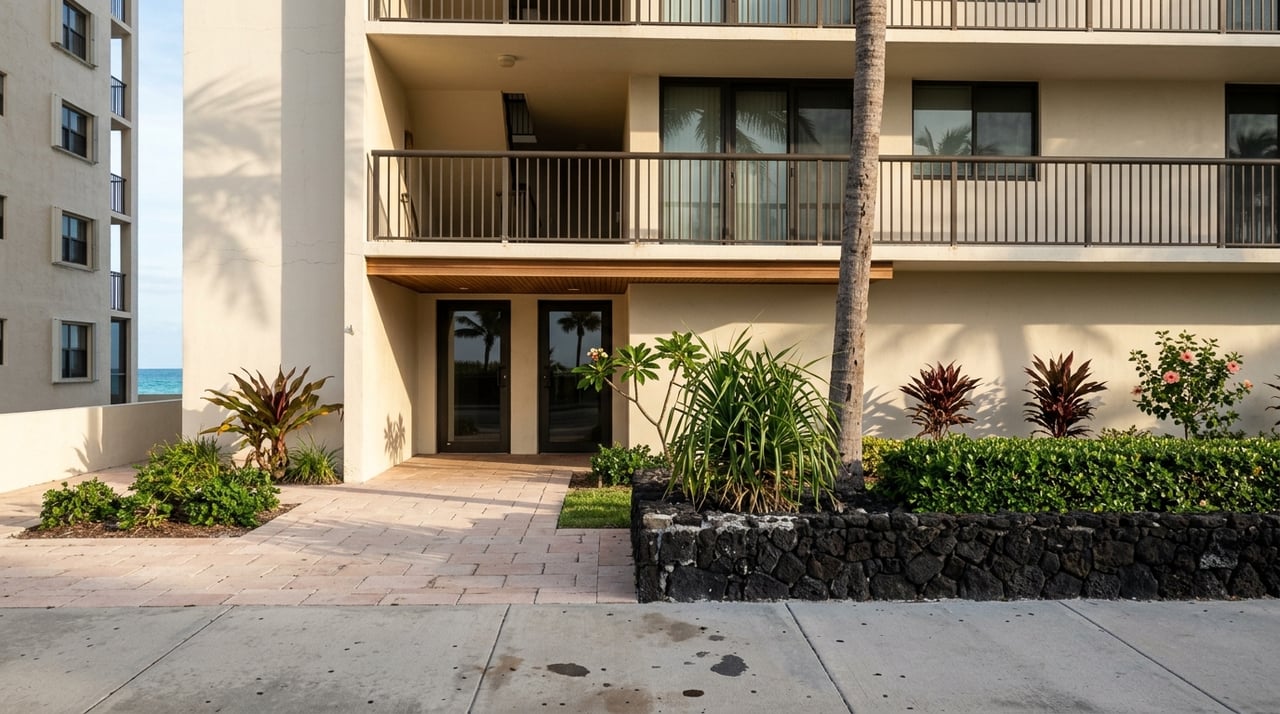
Its setting also matters. Kaanapali Alii sits on Kaanapali Beach near Whalers Village, golf, and other resort amenities, which supports both personal vacation use and transient occupancy. For many buyers, that mixed-use nature is part of the appeal.
Start With Your Use Plan
Before you focus on views or finishes, decide how you want the property to function for you during the year. Some buyers want a second home first and only occasional rental income. Others want to reserve a few prime weeks and keep the rest of the calendar available for rentals.
That decision should guide everything else. If you do not define your intended owner-use versus rental split early, it becomes much harder to choose the right residence and estimate ongoing costs realistically.
Questions To Ask Yourself
- How many weeks each year do you want for personal use?
- Do you want to travel during peak seasons or quieter periods?
- Will you host extended family or friends often?
- Is rental income a nice bonus, or a key part of your ownership plan?
- Do you want a simpler second home setup, or a more occupancy-efficient layout?
Why Rental Entitlement Matters In Maui
If you are comparing Kaanapali Alii with other Maui condo options, rental entitlement is one of the most important differences to understand. Maui County defines transient vacation rental or use as occupancy by transients for less than 180 days. Hawaii's Department of Taxation states that short-term rentals under 180 days are subject to Transient Accommodations Tax, while long-term rentals are not.
Maui County's short-term occupancy list dated June 27, 2024 includes Kaanapali Alii at 50 Nohea Kai Drive as a project property with H2 hotel zoning and a resort/hotel community plan designation. The county also states that the list itself does not grant entitlement and should be confirmed with Planning.
This matters even more in the current Maui landscape. Maui County has enacted Bill 9, which phases out transient vacation rentals in apartment zoning districts. For buyers comparing resort properties with apartment-zoned buildings, Kaanapali Alii sits in a different conversation based on its zoning and county listing status.
Match The Residence To Your Lifestyle
Once your use plan is clear, the next step is choosing a residence that fits both your personal preferences and rental goals. Kaanapali Alii offers garden, mountain, partial ocean, ocean, and oceanfront categories, and those categories create meaningful differences in experience and pricing.
The floor plan mix matters too. Oceanfront residences are offered only in a two-bedroom layout, and many residences include sleeping dens. That means your intended use pattern should influence not just the view you want, but also the bedroom count and flexibility you need.
If Personal Use Comes First
If your main goal is a second home for your own enjoyment, focus on how you actually plan to live in the residence. Think about your preferred outlook, privacy, hosting needs, and whether you want a simpler lock-and-leave setup or more room for guests.
A one-bedroom may suit buyers who want easier upkeep and a more streamlined home base. A two- or three-bedroom layout may make more sense if you expect frequent family visits or want more sleeping flexibility.
If Rental Use Is A Priority
If you expect the residence to spend much of the year in rental circulation, occupancy and layout become more important. Current resort policies generally show occupancy caps of four guests in one-bedroom units and six to eight guests in two- or three-bedroom units.
That does not automatically mean bigger is better for every buyer. It means you should evaluate how view category, bedroom count, and sleeping configuration may affect guest use patterns and your own calendar priorities.
Use The Management Structure To Your Advantage
One practical benefit at Kaanapali Alii is that the ownership experience is supported by tools and on-site operations designed for mixed owner and guest use. The owner portal allows you to see current and future reservations, availability, check-ins, check-outs, work orders, monthly statements, year-end tax forms, documents, and messages.
The portal also allows owners to create new reservations for either owner stays or guest of owner stays. That makes it easier to block off personal time first, then allow the remaining calendar to function as rental inventory.
A Simple Planning Approach
Many buyers find it helpful to think about the year in this order:
- Reserve your must-have personal weeks first.
- Decide whether you want flexible shoulder-season visits.
- Leave the remaining periods available for rental use.
- Review how that plan affects furnishing, occupancy, and service costs.
This approach can help you avoid the common mistake of buying with one idea in mind, then discovering your actual calendar habits point to a different ownership strategy.
Know The Operational Rules
If you plan to use the residence personally and rent it at other times, house rules are not background details. They directly affect how ownership works day to day.
The association's rules require owners to inform management of occupant names and anticipated length of occupancy, register occupants, and designate a local agent if they live outside Hawaii or will be absent for more than 30 days. The owner also remains responsible for the conduct of lessees, renters, and guests.
For remote owners, this is especially important. If you live on the mainland and want a smooth ownership experience, understanding these requirements upfront can help you build the right operating plan from day one.
Consider The On-Site Rental Framework
CoralTree Residence Collection is the exclusive on-site property management company. According to the property's management information, services include housekeeping, luxury linens and bath amenities, concierge support, beach and pool services, and 24-hour maintenance and management staff.
That structure can be attractive if you want a more turnkey ownership model. It also means you should factor management-related logistics and guest-service expectations into your purchase decision, not just the purchase price alone.
Current resort policies also show a 25+ primary renter minimum, a posted daily service fee of $50 plus tax, and checkout cleaning fees of $395 or $495 plus tax. If rental income is part of your plan, these figures belong in your projections.
Furnish For Both Comfort And Turnover
Furnishing choices can support or undermine your ownership strategy. If you expect frequent personal use, you may be tempted to design the residence around your exact taste. If you expect steady guest turnover, durability and ease of maintenance become more important.
CoralTree's homeowner benefits include interior design consultation and furnishing-related purchasing relationships. At the same time, the association's rules make owners responsible for damage and insurance coverage for unit contents.
In practice, that often points toward a rental-ready furnishing plan with durable pieces, easier maintenance, and a consistent resort-oriented look. If you want highly personalized decor, it is worth thinking carefully about how that fits with guest use and wear over time.
Model The Numbers Realistically
It is easy to over-focus on gross rental potential and under-focus on the actual ownership framework. A better approach is to build a realistic model based on your planned personal-use weeks, expected rental periods, service fees, cleaning fees, and applicable Hawaii taxes for short-term rental income.
That gives you a more useful picture of whether the residence is primarily a lifestyle purchase with some income support, or whether you want it to perform more like an actively used vacation-rental asset. The answer can influence which unit type makes the most sense for you.
Your Due Diligence Checklist
Before you move forward with a purchase, it helps to confirm the details that directly affect owner use and rental planning.
- Confirm the current HOA house rules and rental-program terms.
- Review occupant registration and local-agent requirements.
- Understand how owner stays and guest-of-owner stays are handled in the portal.
- Model service fees, cleaning fees, and Hawaii Transient Accommodations Tax if short-term rental income is expected.
- Check what furnishing, insurance, and lanai changes may require approval before refurnishing or remodeling.
The Best Fit Depends On Your Priorities
At Kaanapali Alii, the smartest purchase is not just about finding a beautiful residence. It is about choosing a unit that matches how you actually want to use it, whether that means protecting family time in Maui, creating a more consistent rental calendar, or balancing both.
That is where clear local guidance matters. If you want help comparing view categories, floor plans, and ownership strategy at Kaanapali Alii, Dee Garnes offers the concierge-style insight and resort condo expertise to help you make a confident decision.
FAQs
How does owner use work at Kaanapali Alii?
- Owners can use the owner portal to view reservations, availability, check-ins, check-outs, statements, tax forms, and to create reservations for owner stays or guest-of-owner stays.
What should buyers know about short-term rental rules at Kaanapali Alii in Maui?
- Maui County's June 27, 2024 short-term occupancy list includes Kaanapali Alii as a project property with H2 hotel zoning and a resort/hotel community plan designation, but the county states that entitlement should still be confirmed with Planning.
What unit size may work best for family visits at Kaanapali Alii?
- Current resort policies generally show occupancy caps of four guests in one-bedroom residences and six to eight in two- and three-bedroom residences, so hosting plans can affect which layout fits your needs.
What fees should buyers model when planning rentals at Kaanapali Alii?
- Buyers should factor in posted daily service fees, checkout cleaning fees, and Hawaii Transient Accommodations Tax if they expect short-term rental income.
What management responsibilities do owners have at Kaanapali Alii?
- Owners must register occupants, provide names and anticipated lengths of stay to management, designate a local agent if required, and remain responsible for the conduct of renters, lessees, and guests.