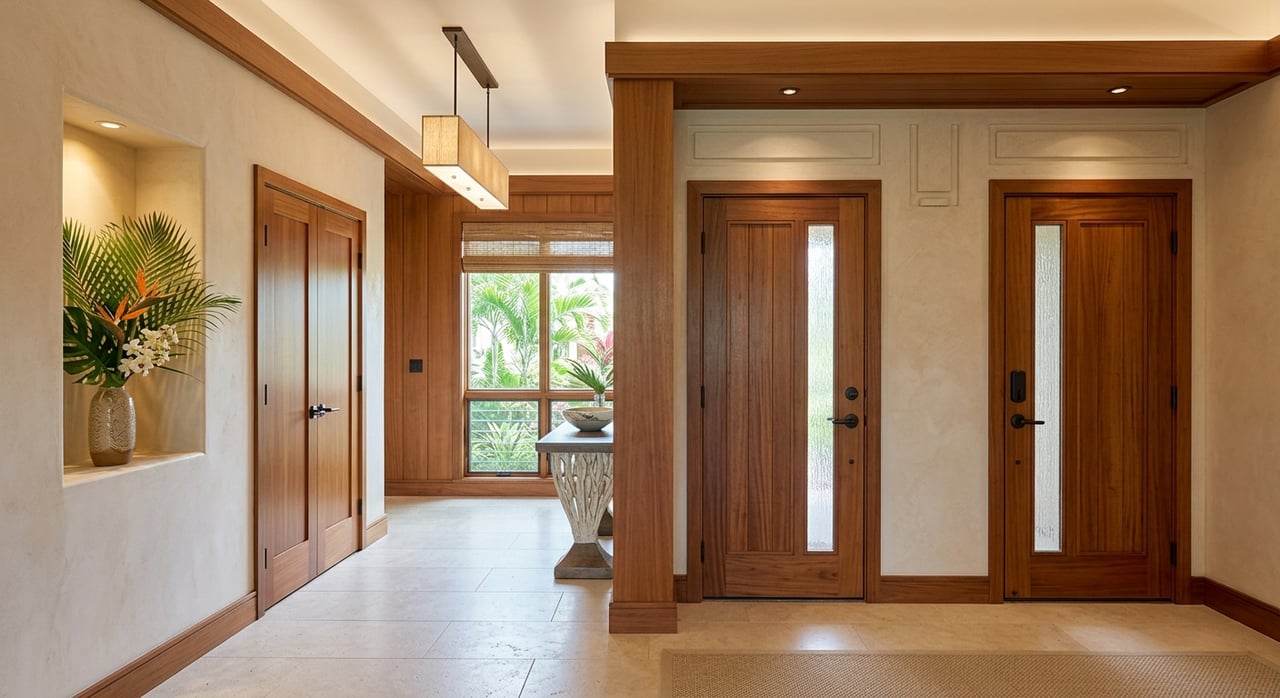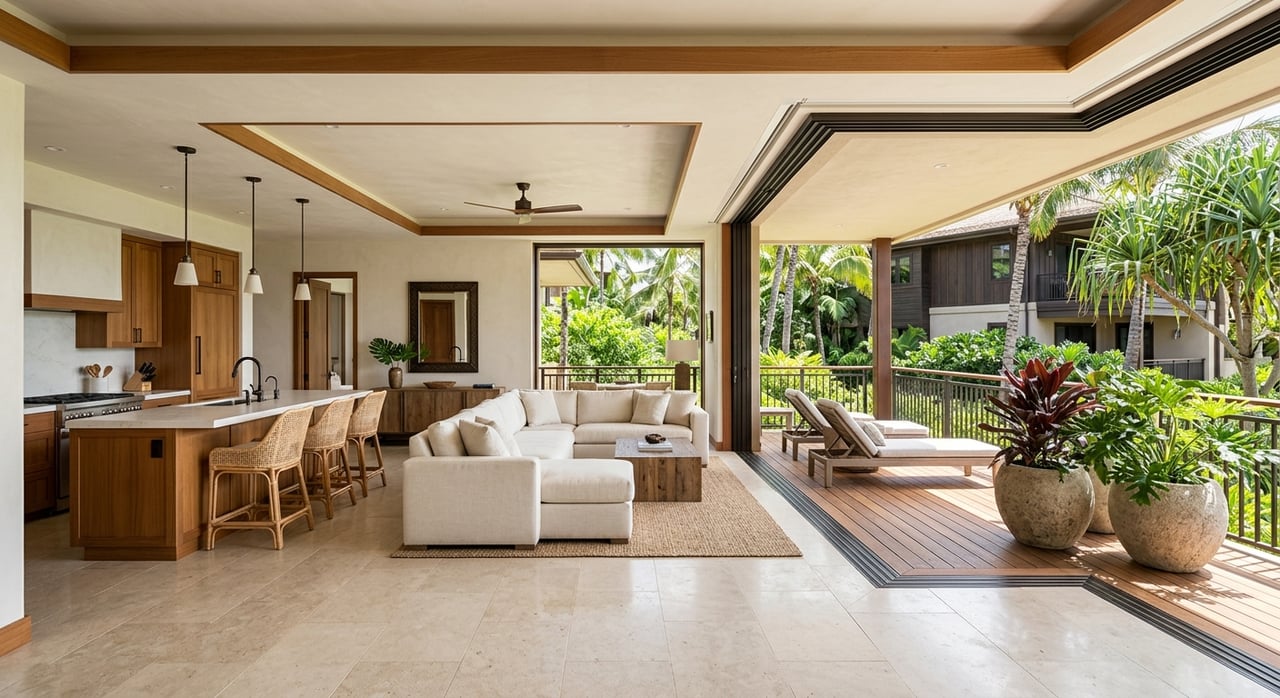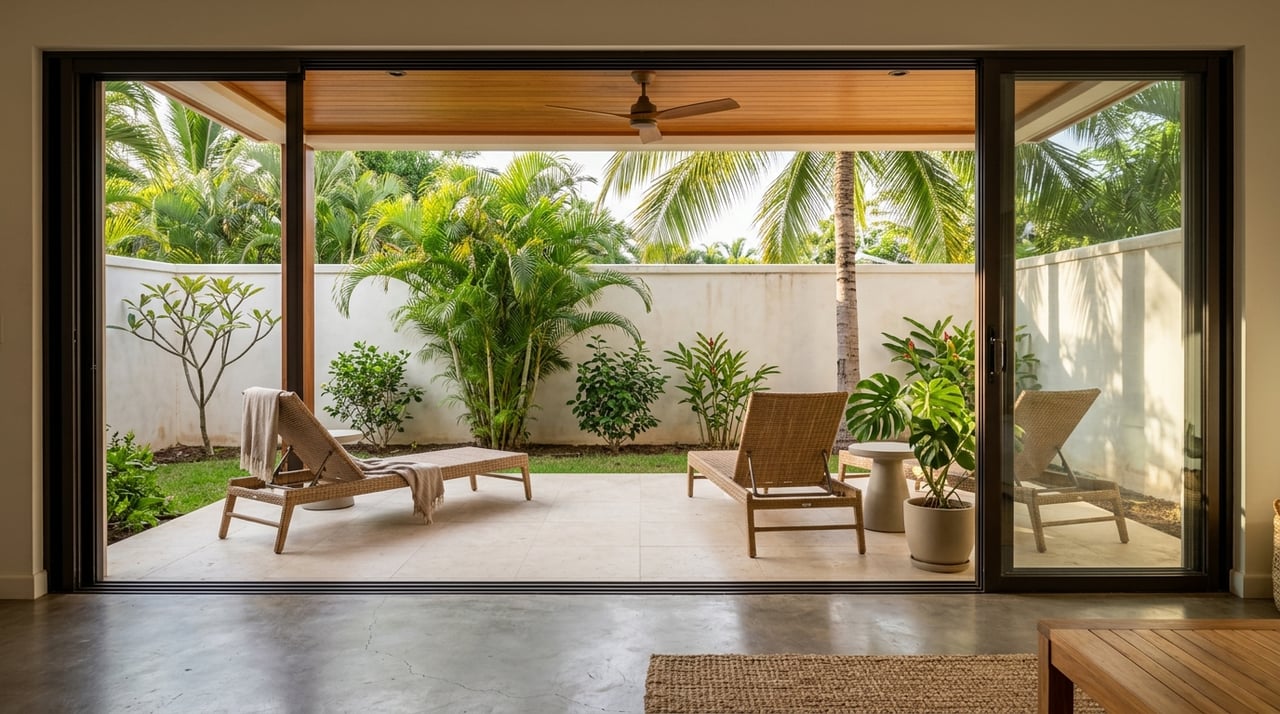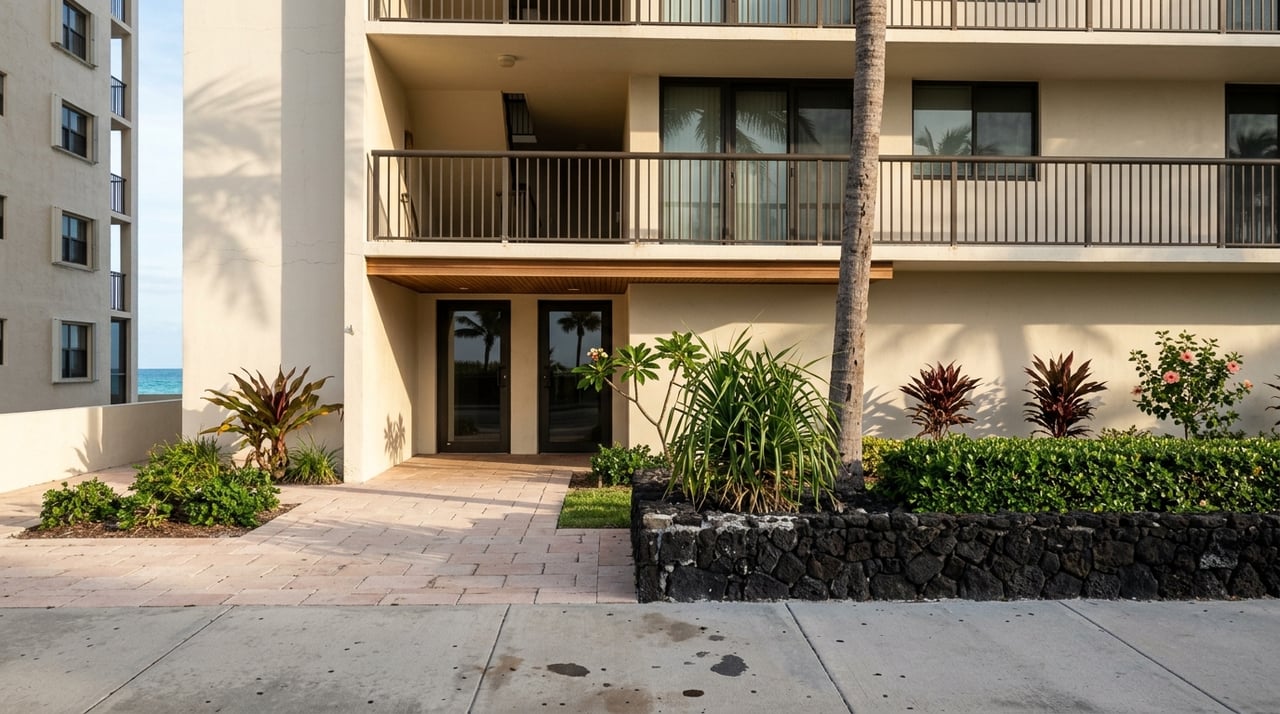
If you are choosing a condo in Kihei, one block can make a real difference. An oceanfront address may give you front-row views and immediate shoreline access, while an across-the-road condo can still keep you close to the beach parks, swim spots, and daily convenience that make South Kihei so appealing. If you are weighing lifestyle, budget, or rental goals, this guide will help you sort through the tradeoffs with more confidence. Let’s dive in.
Why location changes the experience
Kihei is a shoreline market where the ocean experience shifts by block. Maui County notes that the Kihei coast is partially protected from large swell by Lānaʻi and Kahoʻolawe, but winter North Pacific swell and summer south swell can still change beach conditions and shoreline profile.
That matters because oceanfront condos sit closest to the water and the changing coastal environment. In return, they often offer the most dramatic views and the most direct beach access. For many buyers, that front-row feel is the main reason to pay a premium.
Across-the-road condos work differently. In Kihei, South Kihei Road is lined with public beach parks and recreation areas, so you can still enjoy a very beach-oriented lifestyle without being directly on the shoreline.
Kihei beach access is unusually strong
One reason across-the-road condos can make sense in Kihei is the public beach layout. Kamaʻole Beach Park I and II include lifeguards, restrooms, showers, and ADA beach ramps, while Kalepolepo Park and Kalama Park add more shoreline access points along South Kihei Road.
This is important because Kihei does not depend on rare or private beach entry the way some coastal markets do. A short walk can still put you near sandy beaches, park amenities, and practical access for swimming, relaxing, or spending the day outdoors.
For some buyers, that changes the value equation. If your goal is easy beach living rather than literal ocean frontage, an across-the-road condo may give you much of what you want with a different cost profile.
Oceanfront condos: what you are really paying for
When you buy oceanfront in Kihei, you are usually paying for immediacy. You are closer to the shoreline, your views are more likely to be unobstructed, and the overall experience often feels more immersive.
That can be especially appealing if you plan to use the condo often yourself. If your Maui time is centered on morning coffee with a full water view, quick beach access, and the emotional payoff of being right on the ocean, oceanfront can be the better fit.
Public data do not isolate a fixed oceanfront premium versus across-the-road pricing in Kihei. Still, the most defensible takeaway from current market conditions is that oceanfront units tend to sit at the higher-value end of the condo spectrum because they combine direct access and stronger view appeal.
Across-the-road condos: value without losing the beach
Across-the-road or short-walk condos tend to compete on entry price, floor plan, and overall value. In a market like Kihei, that can be a meaningful advantage.
According to the REALTORS Association of Maui March 2026 year-to-date report, Kihei recorded 59 fee-simple condo sales with a median sales price of $610,000 and an average sales price of $783,522. The same report showed 56 sales in the prior-year period with a median of $675,000, which suggests the condo median softened year over year even as unit count rose.
That data does not separate oceanfront from non-oceanfront units, but it does show that Kihei is an active condo market with a wide value range. If you want to stay close to the beach while being more disciplined about purchase price, across-the-road options deserve a close look.
What the broader Kihei market suggests
Broader housing data adds context. Realtor.com reported a May 2026 Kihei median listing price of $999,000, a median rent of $3,850 per month, and 571 active for-sale listings.
Those figures are for the wider Kihei market, not condos only, but they reinforce a simple point. Kihei remains a premium coastal market, so even a value-minded condo search still takes place in a location where beach access and lifestyle carry real pricing power.
For buyers, that means the decision is less about cheap versus expensive and more about where you want to place your dollars. Do you want to spend more on direct frontage, or do you want to capture beach access in a more efficient way?
Rental use matters more than the view
If you are buying with rental income in mind, the first question is not whether a condo is oceanfront or across the road. The first question is whether the unit is legally allowed to operate the way you expect.
Hawaiʻi treats rentals of less than 180 consecutive days as short-term or transient accommodations. Operators must register for GET and TAT, file the required returns, and pay applicable taxes. Maui County also imposes its own county transient accommodations tax.
The tax load is significant. The State of Hawaiʻi increased the transient accommodations tax to 11.00% effective January 1, 2026, and Maui County's county TAT rate is 3%.
This is why rental buyers need to be careful about assumptions. An ocean view, a resort-style setting, or a popular location does not automatically mean a condo is suitable for short-term rental use.
Kihei zoning can change the math
In Maui County, legal vacation-rental status is building-specific and district-specific. County guidance explains that lawful transient vacation rentals may operate in approved zoning districts or under conditional permits, and intended use differs by district.
This becomes even more important in apartment-zoned properties. Maui County adopted a phase-out of transient vacation rental uses in apartment districts outside West Maui by January 1, 2031, with validly existing timeshare units and uses otherwise permitted by law exempt from that phase-out.
For a Kihei condo buyer, that means you need to verify the building's zoning and current legal use before focusing on projected income. A lower-priced across-the-road condo may still be the stronger investment if its legal use and holding costs align better with your goals.
Property tax classification affects carrying costs
Two condos with similar size and similar beach proximity can have very different annual costs. One major reason is Maui County property tax classification.
For tax year 2026-27, Maui County set the apartment rate at $3.50 per $1,000 of net taxable assessed value. Hotel and resort was set at $11.80, and time share at $14.90.
Those differences are large enough to affect annual cash flow and long-term ownership costs. County definitions also matter, because hotel and resort classification applies to transient occupancy under specific conditions, while apartment is a separate class for multi-dwelling-unit improvements that are not TVR-STRH.
For buyers comparing oceanfront and across-the-road options, this is a big reminder that the best-looking unit is not always the best economic fit. Carrying costs should be part of the decision from the start.
How to choose the right fit
The right Kihei condo depends on what matters most to you. Lifestyle, budget, and legal use do not always point to the same property type.
Choose oceanfront if you want
- Immediate shoreline access
- Unobstructed ocean views
- A stronger front-row Maui experience
- A condo you plan to enjoy heavily for personal use
Oceanfront is often the better lifestyle choice when emotional value and direct water access matter more than the lowest buy-in.
Choose across the road if you want
- Close proximity to Kihei beaches without direct frontage
- More flexibility on entry price
- Strong beach access through nearby public parks
- A value-oriented purchase strategy
Because South Kihei Road is lined with beach parks and amenities, these condos can still support an easy, beach-centered routine.
Look closely at these details either way
- Building zoning
- Property tax class
- HOA rental minimums
- Current legal vacation-rental status
- Future impact of apartment-district phase-out rules
For many buyers, these practical details shape the ownership experience just as much as the view does.
A practical Kihei condo strategy
In Kihei, oceanfront is usually a premium for immediacy, view, and experience. Across-the-road is often a premium-efficiency play that can still deliver real beach access and strong day-to-day enjoyment.
Neither choice is automatically better. The better choice is the one that matches how you plan to use the property, what ownership costs you are comfortable with, and whether rental use is a serious part of your plan.
If you want a clear, property-by-property read on Kihei condo options, zoning, and ownership costs, working with a local advisor can save you time and help you avoid expensive assumptions. For a concierge-style consultation tailored to your Maui goals, connect with Dee Garnes.
FAQs
What is the main difference between an oceanfront and across-the-road condo in Kihei?
- Oceanfront condos typically offer more direct shoreline access and stronger views, while across-the-road condos often offer easier entry pricing and still benefit from nearby public beach parks and amenities.
Are across-the-road condos in Kihei still close to the beach?
- Yes. Many are near public beach parks along South Kihei Road, including areas with lifeguards, restrooms, showers, and beach access.
Is an oceanfront Kihei condo always a better investment?
- Not necessarily. Oceanfront often carries stronger lifestyle appeal, but investment performance depends on purchase price, tax class, legal rental use, and ongoing costs.
Can any Kihei condo be used as a short-term rental?
- No. Legal short-term rental status depends on the building, zoning district, and other county rules, so buyers should verify permitted use before purchasing.
Why do Maui County tax classifications matter for Kihei condos?
- Tax class can change annual carrying costs significantly, and a condo in a hotel or resort classification may have a much higher property tax load than an apartment-classified condo.
What should buyers verify before choosing a Kihei condo for rental use?
- Buyers should confirm the building's zoning, current legal vacation-rental status, property tax class, HOA rental rules, and any future impact from Maui County's apartment-district phase-out timeline.