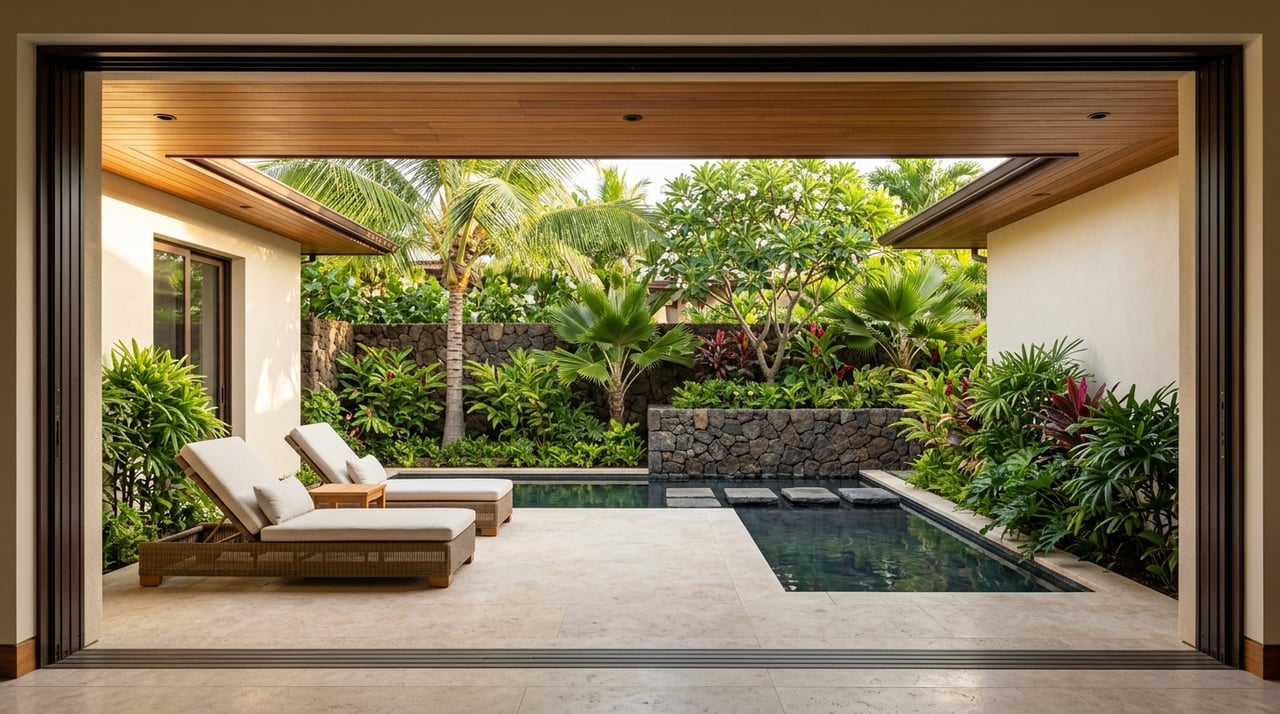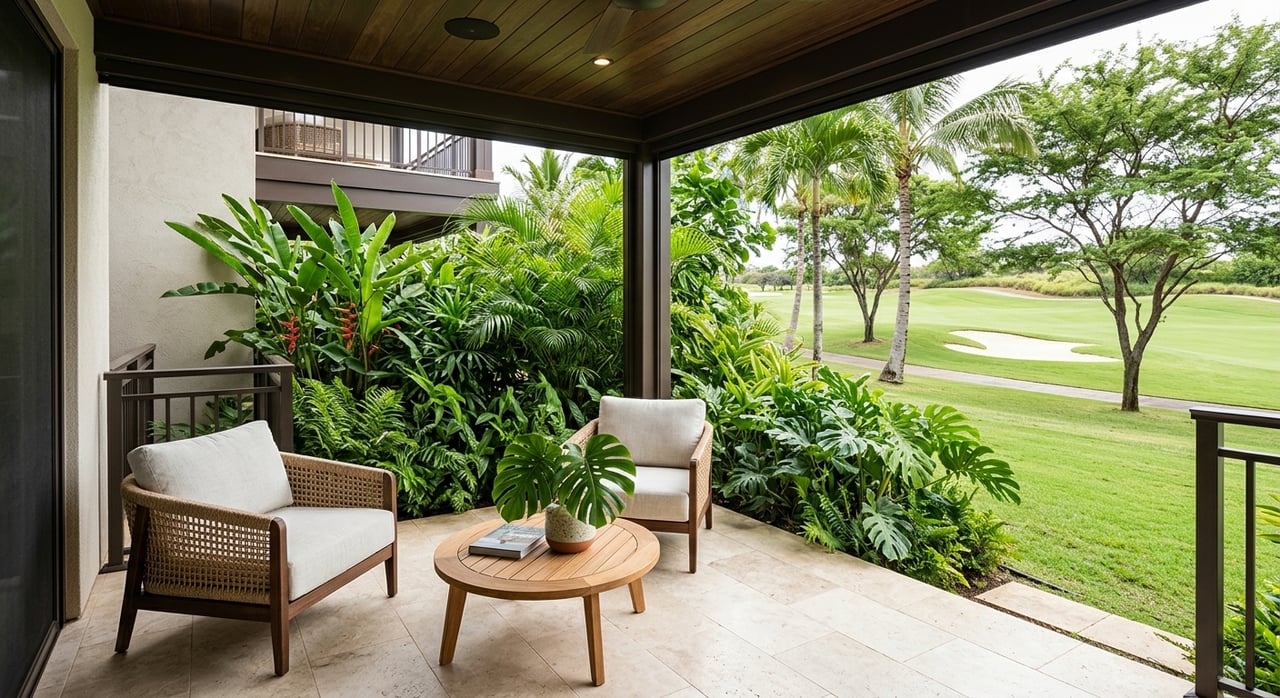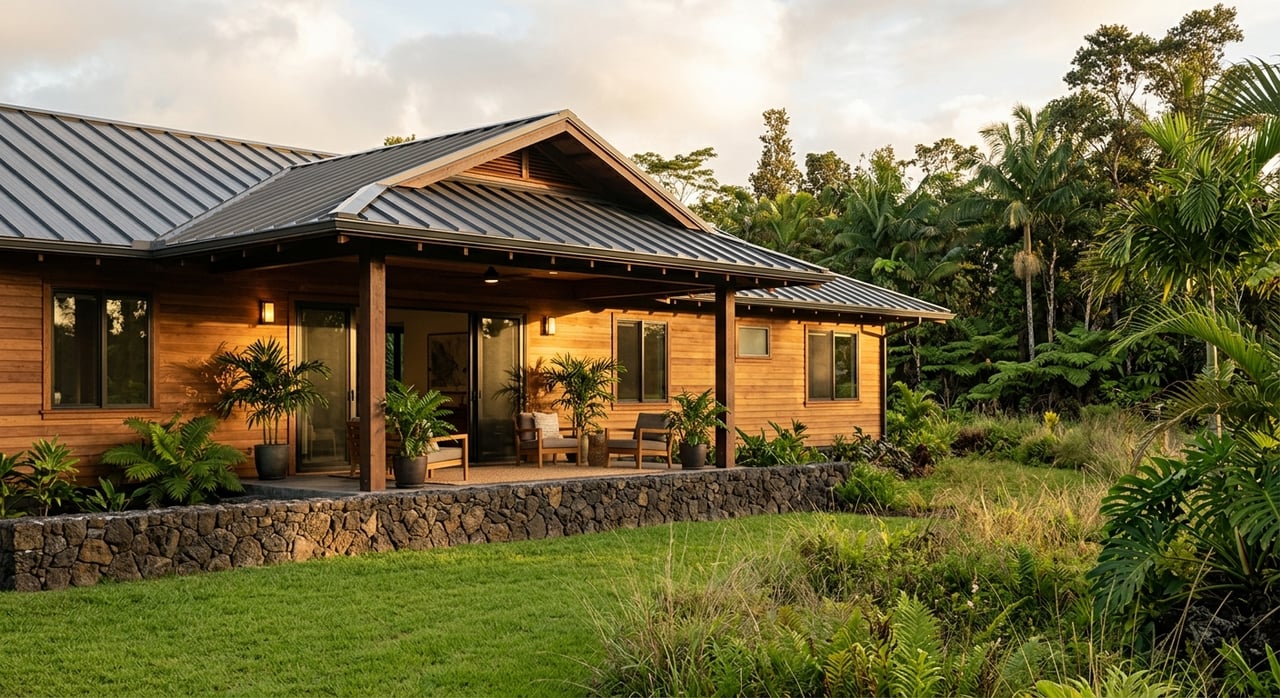
Dreaming of Maui, but not necessarily the resort-coast pace? For many buyers near Paia and across the island, Upcountry offers a very different kind of appeal: cooler temperatures, broader views, more open land, and a lifestyle shaped by agriculture, small towns, and Haleakalā’s slopes. If you are curious about why this part of Maui keeps drawing attention, this guide will walk you through what makes Upcountry living stand out and why it feels so distinct from the coast. Let’s dive in.
Upcountry Feels Different From Coastal Maui
For Paia-area buyers, Upcountry often feels like the inland alternative to Maui’s beach districts. Paia sits on the north shore, while Upcountry rises higher on the slopes of Haleakalā, creating a clear shift in scenery, pace, and daily experience.
County planning documents describe much of Upcountry’s developed and agricultural land as sitting between about 1,500 and 3,500 feet in elevation. That higher setting helps create the spacious, scenic character many buyers notice right away, with broad ridge tops, deep gulches, and less resort-style density.
County policies also support agricultural management and open-space preservation. In practical terms, that helps explain why so many buyers are drawn to the area’s sense of room, landscape, and separation from Maui’s more built-up visitor zones.
Cooler Weather Attracts Many Buyers
One of the most consistent draws is climate. County planning materials note that Makawao and Pukalani typically range from about 54°F in winter to around 74°F in summer, with regular trade winds.
Kula and Keokea are also known for cooler conditions because of their higher elevation, with county materials citing a winter low near 54°F and a normal summer high near 77°F. For buyers coming from warmer coastal areas, that can make Upcountry feel more comfortable for everyday living.
That cooler air often changes how you use a home. You may spend more time enjoying a lanai, tending a garden, or simply appreciating the breeze and shifting cloud cover over the slopes.
Views Add To The Appeal
Upcountry’s elevation also creates a strong visual draw. County and state sources highlight sweeping island and ocean views, while Haleakalā National Park points to summit landscapes rising to 10,023 feet.
For many buyers, the views are not just a backdrop. They become part of daily life, from morning light over the island to long-distance vistas that feel very different from a neighborhood built around hotel corridors or oceanfront towers.
That sense of outlook matters. It gives many properties a stronger connection to the land and to Maui’s varied terrain, which is a big part of what makes Upcountry living memorable.
Agriculture Shapes The Lifestyle
A major reason buyers are drawn to Upcountry is its strong connection to farming and local food. GoHawaii describes Maui as central to the farm-to-table process and highlights Kula farms, goat dairies, lavender farms, roadside stands, and farmers markets across the region.
This is more than a visitor experience. For many residents, it becomes part of everyday life, whether that means buying recently harvested produce, exploring small-batch local goods, or enjoying the rhythm of a place where agriculture is still visible and active.
County planning documents support that picture as well. They describe land uses tied to homesites, pasture, orchard crops, truck crops, and rural agricultural patterns that continue to shape the region today.
Farmers Markets And Local Food Culture
GoHawaii notes that Upcountry farmers markets sit right in the middle of farm country, which means produce may be harvested very recently. It specifically identifies the Upcountry Farmers Market in Pukalani on Saturdays.
For buyers who value fresh food and a more grounded daily routine, that can be a meaningful lifestyle benefit. Instead of living in an area defined mainly by tourism infrastructure, you are closer to working landscapes and local food networks.
Small-Batch Experiences Matter
GoHawaii also points to locally made wines and spirits in Kula and Makawao. Along with farm tours and specialty food producers, these experiences help reinforce the area’s small-batch, place-based character.
For many buyers, that adds depth to the lifestyle. Upcountry is not only scenic, it also feels hands-on, local, and connected to Maui’s agricultural identity.
Paniolo Heritage Gives Upcountry Character
Upcountry is closely tied to paniolo, or Hawaiian cowboy, tradition. GoHawaii identifies the region as home to that heritage, and Makawao in particular is known for blending ranching roots with an active arts community.
That cultural mix gives the area a character many buyers find appealing. It feels local, lived-in, and shaped by history rather than designed around a resort experience.
County planning documents add that Makawao’s commercial core is small-scale, rural, and vernacular, with a primarily pedestrian orientation. For buyers, that often translates into a stronger sense of town identity and a more relaxed everyday environment.
Buyers Often Want More Space
Housing expectations are often different in Upcountry than in Maui’s denser coastal markets. County planning and agricultural documents point to rural residential and agricultural land uses, including two-acre agricultural subdivisions, larger setbacks, pasture areas, and country-style settlement patterns.
That does not mean every property is large, but it does help explain what many buyers come here looking for. The conversation often centers on detached homes, larger lots, agricultural parcels, or country estates rather than condo-heavy inventory.
For buyers in Paia who want more elbow room without leaving Maui’s north and central areas behind, this can be a compelling alternative. You may be drawn to the idea of a home with land, privacy, or room for agricultural use where permitted and appropriate.
Expectations Should Match The Area
Because Upcountry is shaped by topography, agriculture, and rural land patterns, buyers often need to think differently about property selection. The appeal is not usually about walk-out beach access or full-service resort amenities.
Instead, many properties are valued for land, views, climate, and their connection to a quieter setting. That makes Upcountry especially attractive for buyers who want a more grounded residential experience on Maui.
Outdoor Access Is Part Of Daily Life
Another strong draw is recreation. Hawaiʻi State Parks describes Polipoli Spring State Recreation Area in Kula as a cool mountain retreat with hiking trails, camping, a strawberry patch, and panoramic views from locations such as Bowman's Overlook.
Haleakalā National Park adds another layer, with summit scenery and dramatic volcanic landscapes. GoHawaii also highlights horseback riding at Piʻiholo Ranch in Makawao and ziplining through Upcountry treetops.
For many buyers, this matters because it expands what daily life can look like. Recreation here is often land-based and landscape-driven, which gives Upcountry a very different feel from areas where beach access is the primary lifestyle feature.
Upcountry Offers A Less Resort-Oriented Pace
If you are comparing Paia or other Maui locations with Upcountry, the contrast often comes down to pace and setting. Resort districts tend to center on beachfront convenience, hospitality services, and visitor activity.
Upcountry offers something else. It is defined more by open land, ranching and agricultural heritage, cooler weather, and small-town character.
That difference is a big reason buyers stay interested. They are not just shopping for a home. They are choosing the kind of day-to-day environment they want to wake up to.
Infrastructure Still Matters
Lifestyle is a major draw, but practical considerations also matter. Maui County notes that the Upcountry water system is the largest geographically in the county system, and that an earlier 2025 shortage stage was lifted effective March 16, 2026.
For buyers, that serves as a useful reminder that inland living comes with real infrastructure and conservation considerations. It is not a drawback by itself, but it is part of understanding the area clearly and making an informed decision.
Why This Appeals To Paia Buyers
For someone in or near Paia, Upcountry can feel both close and distinct. You are still connected to Maui’s north and central areas, but the atmosphere shifts noticeably as you move upslope.
Instead of a coast-first lifestyle, you may find yourself drawn to cooler evenings, broader views, agricultural surroundings, and homes that offer more land and privacy. That combination is exactly what makes Upcountry so compelling to many buyers.
If you are considering a move, second-home purchase, or select Upcountry land opportunity, working with someone who understands Maui’s micro-locations can make the search much smoother. When you are ready for a private consultation, connect with Dee Garnes for concierge-style guidance tailored to your goals.
FAQs
Why do buyers choose Upcountry Maui over coastal areas?
- Buyers are often drawn to Upcountry Maui for its cooler climate, open space, agricultural setting, broader views, and less resort-oriented pace compared with coastal districts.
What kind of climate can you expect in Upcountry Maui?
- County planning materials cite Makawao and Pukalani temperatures from about 54°F in winter to around 74°F in summer, with regular trade winds, while Kula and Keokea are also known for cooler conditions due to higher elevation.
What types of properties are common in Upcountry Maui?
- County documents point to rural residential and agricultural land uses, so buyers often encounter detached homes, larger lots, agricultural parcels, pasture land, and country-estate style properties rather than dense condo inventory.
How does agriculture influence Upcountry Maui living?
- Agriculture shapes both the landscape and lifestyle through farms, roadside stands, farmers markets, pasture land, and a strong farm-to-table culture tied to fresh produce and local goods.
What outdoor activities are available in Upcountry Maui?
- Upcountry offers access to hiking, camping, panoramic viewpoints, horseback riding, ziplining, and Haleakalā summit landscapes, making outdoor recreation a key part of everyday life.
What should buyers know about practical living in Upcountry Maui?
- Buyers should understand that Upcountry living includes infrastructure considerations such as water service and conservation, along with the realities of rural land patterns and agricultural surroundings.