Buying at The Whaler on Ka'anapali Beach can feel exciting and overwhelming at the same time. You may be picturing beachfront mornings and strong long-term value, but you also need clarity on ownership type, monthly costs, rules, and the Hawaii closing process. This guide walks you through the key steps so you can evaluate a Whaler purchase with more confidence and fewer surprises. Let’s dive in.
Start With the Ownership Type
One of the first questions to answer is simple but critical: what exactly are you buying? The Whaler on Ka'anapali Beach includes 359 beachfront resort units, and ownership opportunities may be either fee simple or time interval. That distinction matters because occupancy rights, fee structures, and use rules can differ.
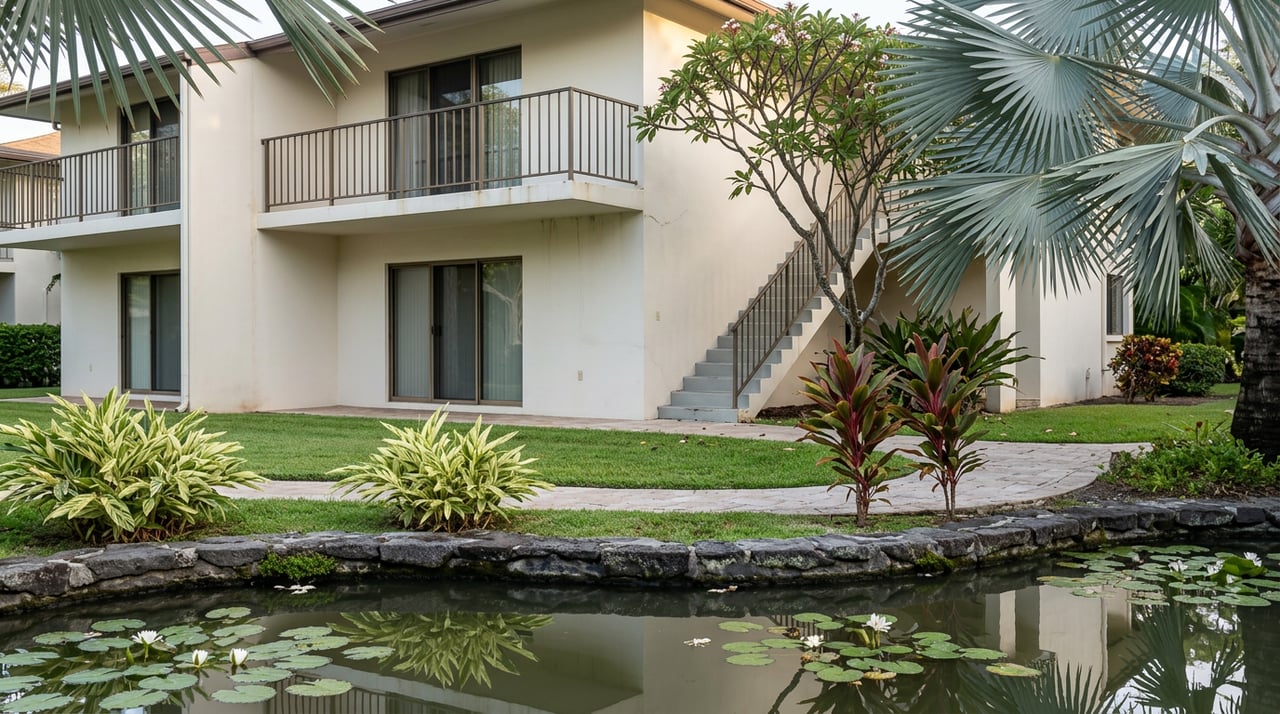
The property includes studio, one-bedroom, and two-bedroom condominium units with full kitchens, full bathrooms, and lanais. Resort amenities highlighted by the property include a pool, barbecue area, fitness room, tennis and pickleball courts, a beach-walk promenade, concierge service, and parking. If you are comparing listings, make sure the listing details match the exact ownership interest being offered.
There is also a separate Time Interval Owners Association tied to time interval ownership. For buyers, that means you should not assume every Whaler listing works the same way. Before you get too far into negotiations, confirm whether the interest is fee simple or time interval and ask how that affects occupancy, guest use, and fees.
Know What Ownership Includes
A Whaler purchase is about more than square footage and view. You also want to understand whether the interest connects to an on-site rental program and how the unit can be used when you are not occupying it. The resort markets an on-site rental program, so if rental use is part of your plan, verify the exact terms tied to that specific unit.
This step is especially important if you are buying as a second home or investment-oriented property. A unit may look ideal on paper, but the practical value depends on how the governing documents and program options line up with your goals. Clear answers up front can save you time, money, and frustration later.
Build a Realistic Purchase Budget
The list price is only the starting point. At The Whaler, your monthly carrying cost can be significant, so you want to review it early and in detail. A 2026/2027 maintenance-fee sheet circulated by a Maui brokerage lists the following monthly totals, which are stated to be subject to change:
- G studio: $1,533.00
- F studio: $1,587.11
- One-bedroom units: $2,642.20 to $2,759.43
- Two-bedroom unit: $4,229.33
- Penthouse: $5,122.08
Those totals are broken into operating and reserve components. The budget is described as covering more than 55 line items, including electricity, air conditioning, water, sewer, elevator service, trash, recycling, cable, internet, landscaping, pest control, pool and spa care, security, liability, flood and hurricane insurance, common area property tax, and capital reserves.
That broad coverage can be helpful, but the main takeaway is that your monthly fee is a major part of ownership cost at this property. If you are comparing units, compare not just price and layout but also the monthly fee tied to that specific unit type. A slightly lower purchase price can be offset quickly by higher monthly carry.
Ask About Special Assessments
Monthly fees are only one part of the financial picture. In Hawaii condominiums, special assessments are common when an association has reserve shortfalls or faces unexpected expenses. According to the Hawaii Department of Commerce and Consumer Affairs, these assessments can result from repairs, disaster cleanup, lawsuits, or structural failures.
An association may finance the work through borrowing or levy a one-time charge. That means you should ask not only what the current fee is, but also whether there have been special assessments, whether any are pending, and what the reserve funding picture looks like. This is one of the most important financial questions you can ask before removing contingencies.
Watch for Guest and Occupancy Fees
If your purchase involves time interval ownership or guest occupancy, you should confirm whether any separate usage-based fees apply. The Whaler documents show a daily amenities fee of $41.55 effective January 1, 2026 for registered guests, while owners and related owners are exempt when occupying. That fee is separate from the monthly maintenance bill.
This is a good example of why the exact ownership interest matters. A fee simple owner using the unit personally may face a different practical cost structure than someone dealing with time interval ownership or guest occupancy rules. Always match the fee schedule to the specific interest you are buying.
Review the Condo Documents Carefully
Before you remove contingencies, document review should be one of your highest priorities. Hawaii's condominium buyer checklist says buyers should obtain and review the declaration, bylaws, house rules and policies, current annual budget, reserve study and audit, insurance information, property and site manager information, attorney information, and board and association minutes.
You should also ask whether the association has had special assessments, upcoming assessments, lawsuits, capital improvements, delinquencies, recalls, or insurance claims. These documents help you understand both the day-to-day ownership experience and the financial health of the association. They can also reveal issues that are not obvious from a showing or listing sheet.
For The Whaler specifically, the house rules matter because they are formally enforceable by the board and managing agent and apply to owners, guests, employees, and licensees. Read them closely for restrictions or requirements involving guests, rentals, pets, smoking, lanai use, and general conduct. Quiet hours listed by the Time Interval Owners Association are 10:00 PM to 8:00 AM, which is another detail worth knowing before you commit.
Read the Board Minutes and Financials
Board minutes often tell you what a glossy brochure will not. They can point to planned repairs, reserve concerns, policy discussions, insurance issues, or disputes that may affect your ownership experience. If you are buying remotely from the mainland, this step becomes even more important because it helps you understand the property's current direction.
Hawaii guidance says board-approved minutes for the prior and current year must be available or transmitted within 15 days. Associations are also required to keep detailed financial records and key governing documents. If records are difficult to obtain, that is worth noting early in your due diligence process.
Confirm Recorded Documents and Title
A listing may describe the property, but title work and recorded documents tell you what is legally in place. The Bureau of Conveyances is the official repository for condominium declarations, bylaws, maps, and amendments or restatements. Recorded document numbers from a public report can be used to locate copies.
A preliminary title report is also essential. It is designed to surface ownership tenure, easements, covenants and restrictions, agreements, liens, and tax issues that can affect value or use. In a resort condo purchase, those details can have a real impact on how you use, finance, or eventually resell the property.
Understand Hawaii Escrow and Closing
If you are used to mainland transactions, Hawaii's escrow-centered process may feel a little different. In Hawaii, escrow is the normal closing structure. State rules require trust funds to be deposited into a neutral escrow depository or trust account by the next business day, and for Hawaii property that neutral escrow depository must also be located in the state.
In practical terms, you can usually expect the sequence to look like this:
- You submit an offer.
- Once accepted, earnest money is deposited into escrow.
- You review documents, title, and financial materials during the contingency period.
- You investigate any red flags and decide whether to proceed, negotiate, or cancel within the contract terms.
- When contract conditions are satisfied, the transaction moves to final settlement and recordation of the deed.
Closing occurs when all contract conditions are satisfied, and title transfer depends on the recording system. Funds may also be held in escrow after closing if the parties agree. For many buyers, especially remote second-home buyers, a well-managed escrow process creates structure and peace of mind.
Use Contingencies Strategically
Your contingency period is where investigation turns into decision-making. This is the time to confirm ownership type, review governing documents, study the title report, understand fees, and clarify any questions about rental use or guest rules. If the documents are complete and the title report does not reveal a problem, the transaction can move toward closing with more confidence.
If they do reveal a concern, you may be able to negotiate, request corrections, or decide not to proceed before contingencies expire. That is why strong transaction management matters so much in a Whaler purchase. A structured review process helps you avoid rushing past details that can affect your use of the property and your long-term costs.
A Simple Step-By-Step Whaler Checklist
If you want a practical framework, here is a clean way to approach a purchase at The Whaler on Ka'anapali Beach:
- Confirm whether the listing is fee simple or time interval.
- Verify the exact unit type, monthly maintenance fee, and any separate guest or amenities fees.
- Request and review the declaration, bylaws, house rules, budget, reserve study, audit, insurance information, and board minutes.
- Ask directly about special assessments, pending repairs, litigation, capital improvements, and reserve funding.
- Confirm whether the unit participates in an on-site rental program and whether that aligns with your intended use.
- Review the preliminary title report for liens, easements, restrictions, and other recorded issues.
- Move through the Hawaii escrow process with clear deadlines for deposits, document review, contingencies, and closing.
Buying in a West Maui resort community is often about more than finding a beautiful unit. It is about understanding the layers behind the ownership so you can make a smart, well-informed decision.
If you are considering a purchase at The Whaler and want a concierge-style guide through the process, Dee Garnes can help you evaluate the details, navigate due diligence, and move forward with confidence.
FAQs
What should you verify first when buying at The Whaler on Ka'anapali Beach?
- Start by confirming whether the listing is fee simple or time interval, because ownership rights, occupancy, and fees can differ.
What do monthly maintenance fees at The Whaler on Ka'anapali Beach cover?
- The 2026/2027 fee sheet says the budget includes operating and reserve components and covers items such as electricity, air conditioning, water, sewer, elevator service, trash, recycling, cable, internet, landscaping, pest control, pool and spa care, security, liability, flood and hurricane insurance, common area property tax, and capital reserves.
Why do special assessments matter when buying a condo at The Whaler on Ka'anapali Beach?
- Special assessments can add meaningful costs beyond the regular monthly fee and may be used for repairs, disaster cleanup, lawsuits, or structural issues.
What documents should you review before buying a condo at The Whaler on Ka'anapali Beach?
- You should review the declaration, bylaws, house rules and policies, annual budget, reserve study, audit, insurance information, board minutes, and the preliminary title report.
What house rules should buyers check at The Whaler on Ka'anapali Beach?
- Buyers should look closely at rules involving guests, rentals, pets, smoking, lanai use, and quiet hours, because the rules are enforceable by the board and managing agent.
How does escrow work for a condo purchase in Maui, Hawaii?
- Hawaii commonly uses escrow, with earnest money deposited into a neutral in-state escrow depository or trust account, followed by document review, contingency investigation, final settlement, and deed recordation once contract conditions are satisfied.
Is there a separate guest amenities fee at The Whaler on Ka'anapali Beach?
- Yes, The Whaler documents show a daily amenities fee of $41.55 effective January 1, 2026 for registered guests, while owners and related owners are exempt when occupying, so buyers should confirm how this applies to the exact interest being purchased.